01
Home Chefs Kalina
The Monsoon Kitchens of Kalina
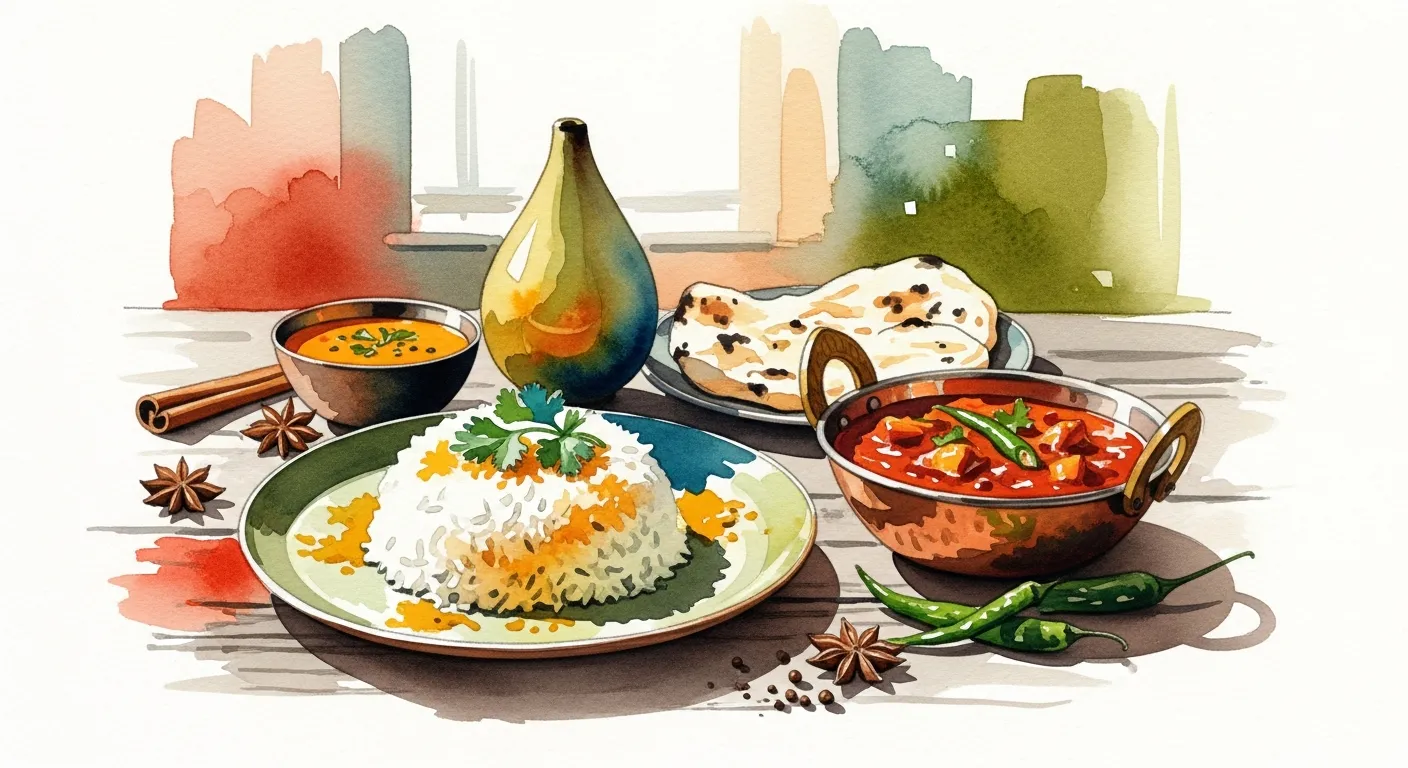
East Indian home chefs have been frying fugias for four hundred years. The pumpkin got expensive. The recipe did not.
7 min read 2 Jun 2026
A hungry state of mind
The stories behind the food. The people, the places, the plates.
Category
Area
East Indian home chefs have been frying fugias for four hundred years. The pumpkin got expensive. The recipe did not.
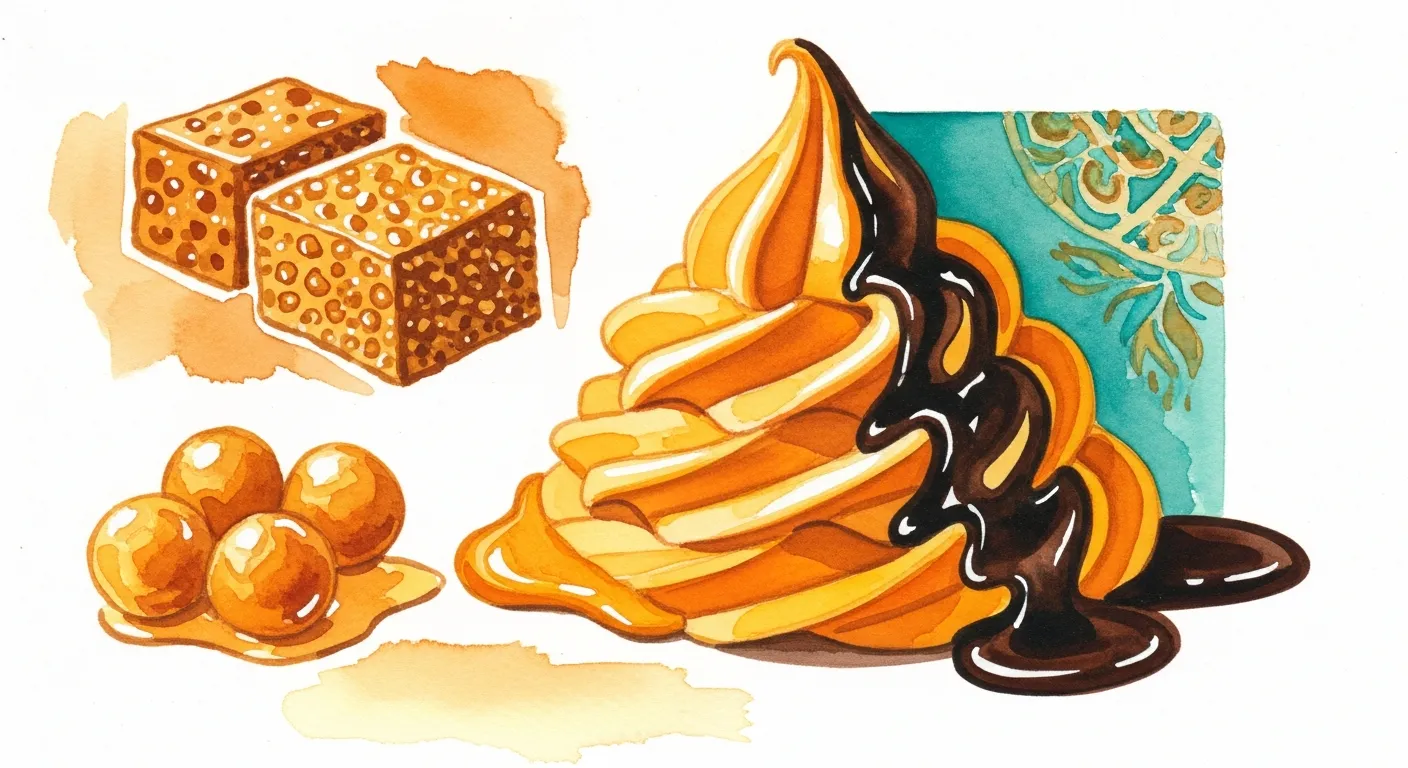
On Mohammed Ali Road, a frozen dessert older than the Mughal courts is doing the math against industrial ice cream. The math is brutal. The kulfi is still winning.
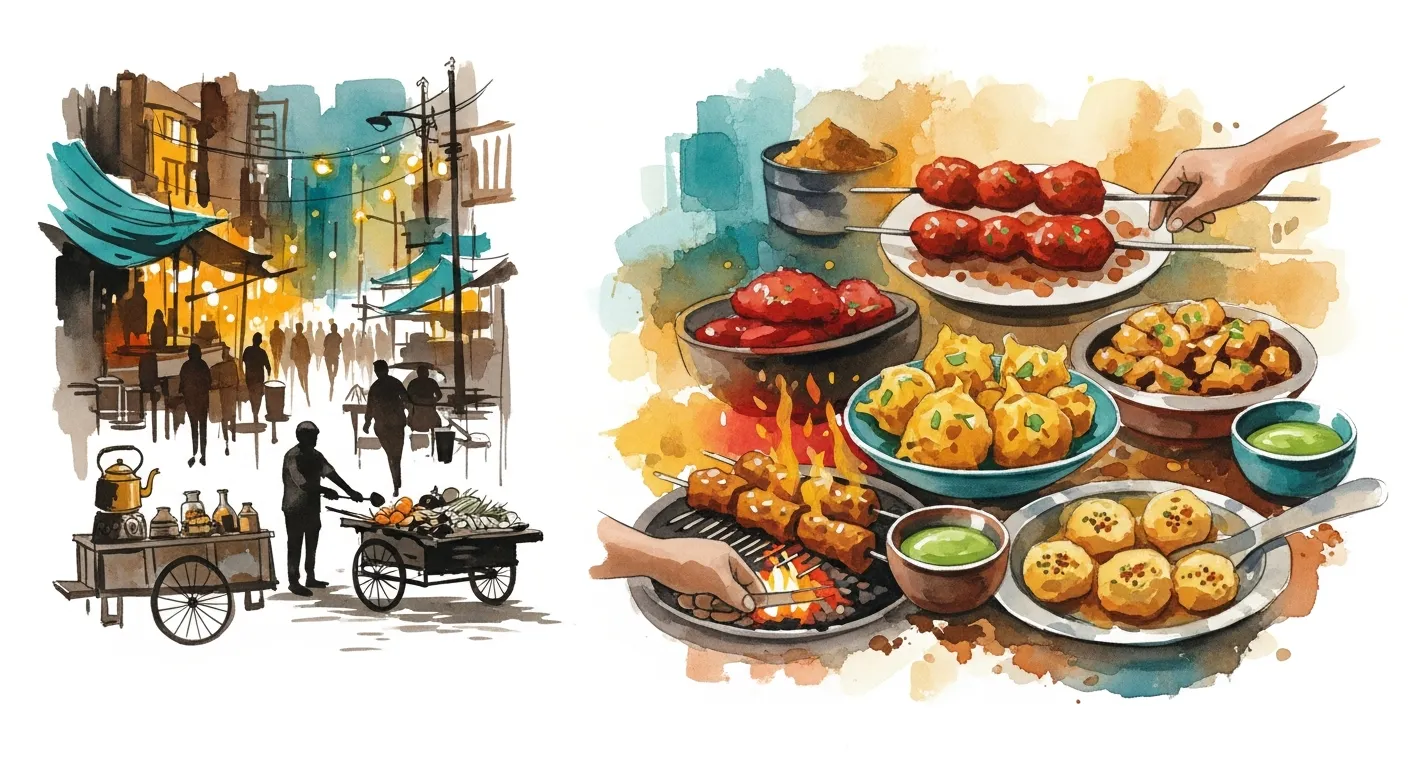
Mohammad Ali Road during Ramadan is a fairground. Mohammad Ali Road in October is a business problem. Both versions have to feed the rent.
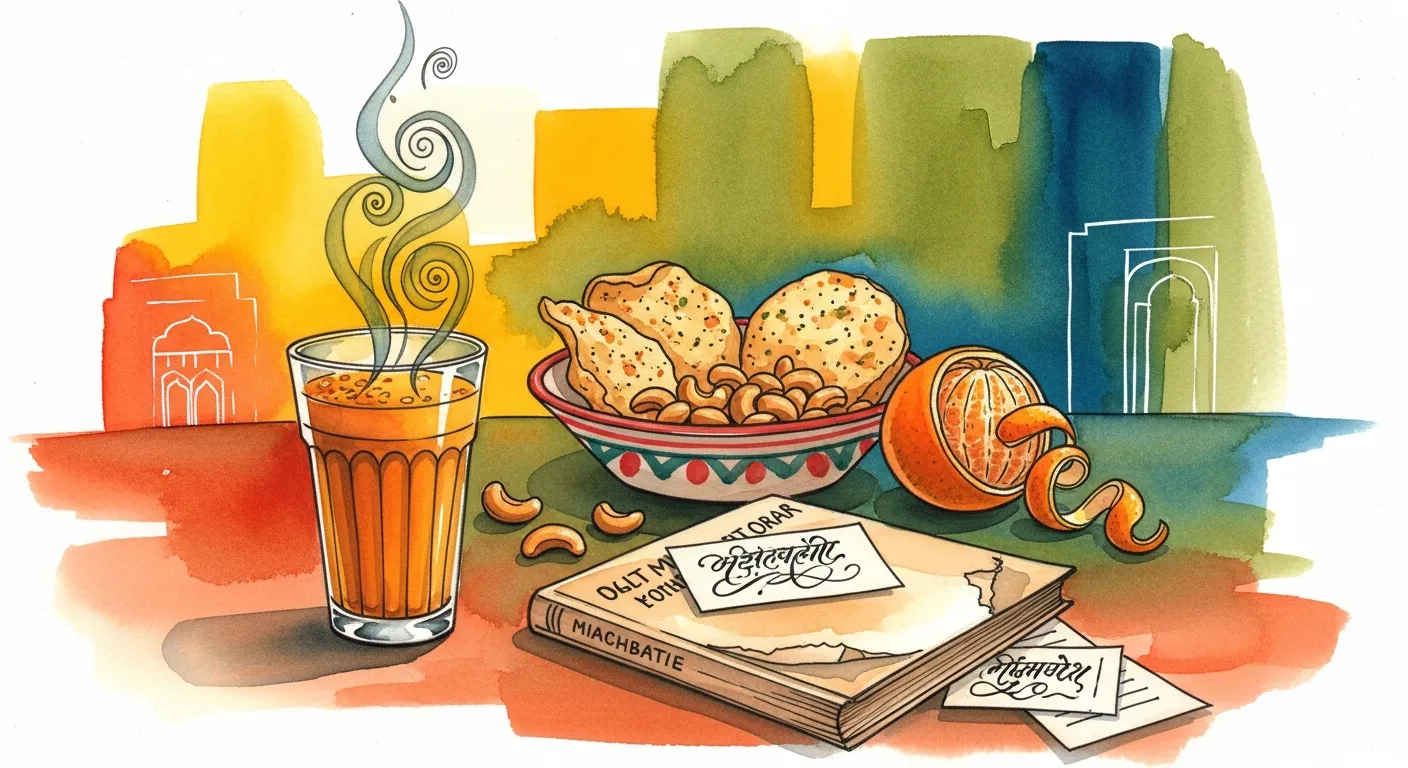
Mumbai's craft cocktail bars stopped pouring drinks and started writing essays. The glass in your hand has footnotes.
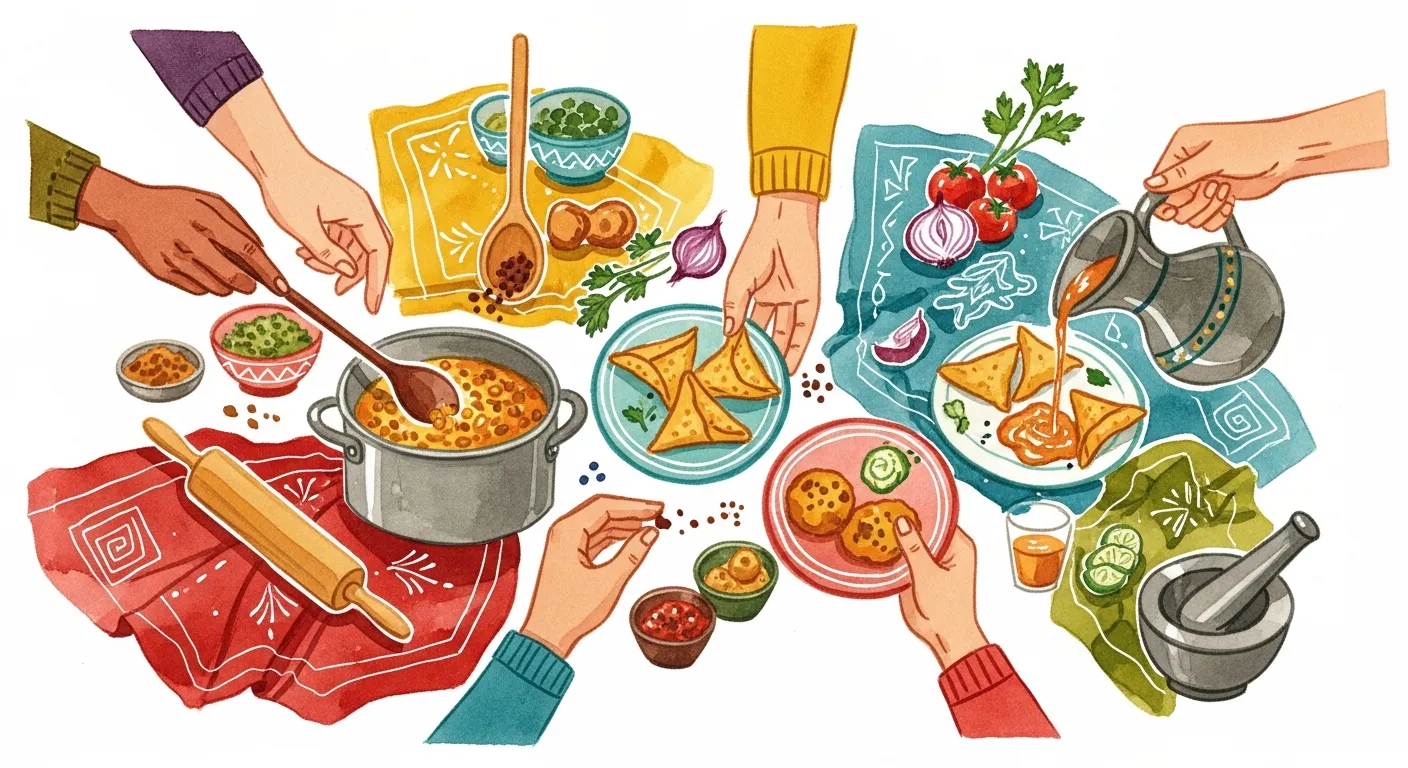
In Chembur Camp, Sindhi home kitchens are doing the work that no restaurant in this city ever bothered to do. The koki is on WhatsApp. The sai bhaji is on a delivery app. The map is in the spice tin.
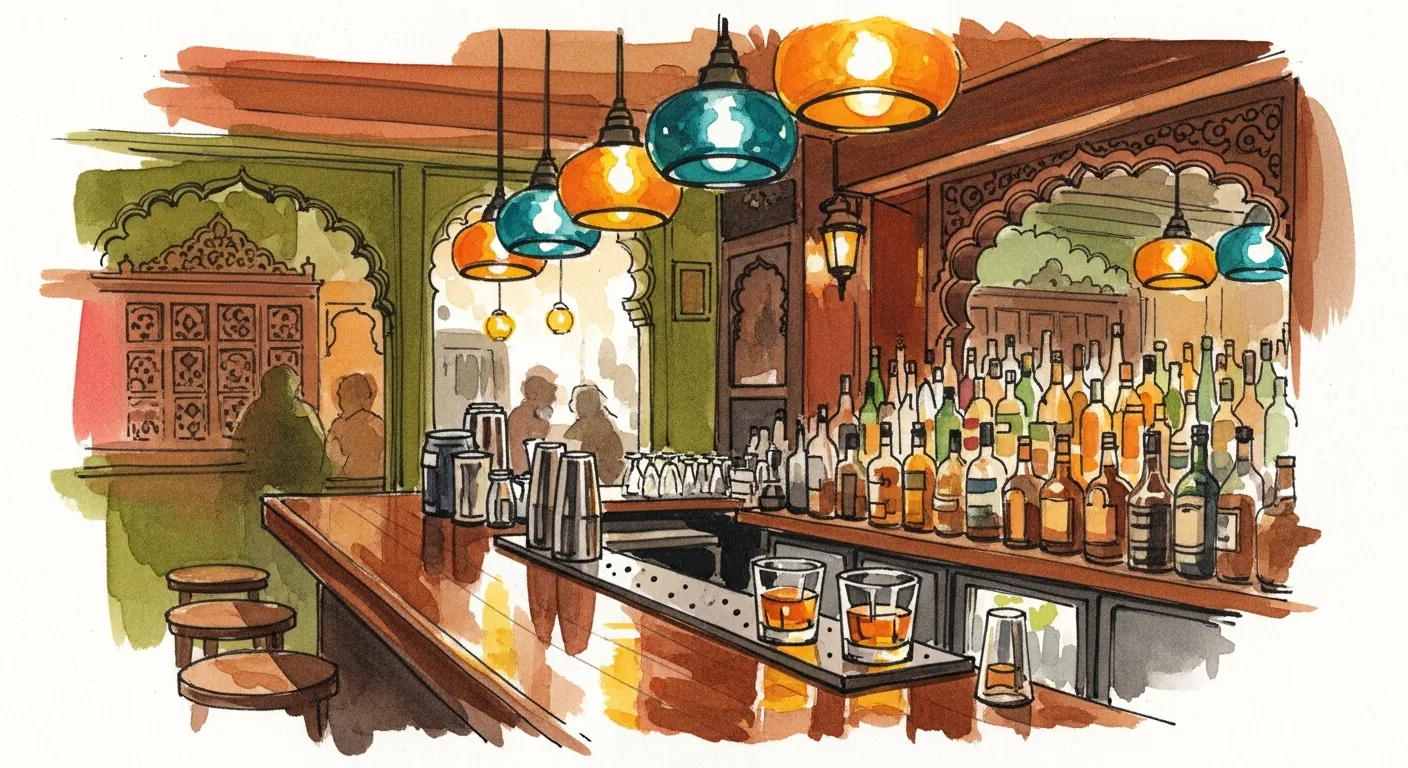
A taxi, a rooster, a vegetarian speakeasy, a brewery that became a cocktail room. Mumbai's bars stopped pouring drinks and started writing them.
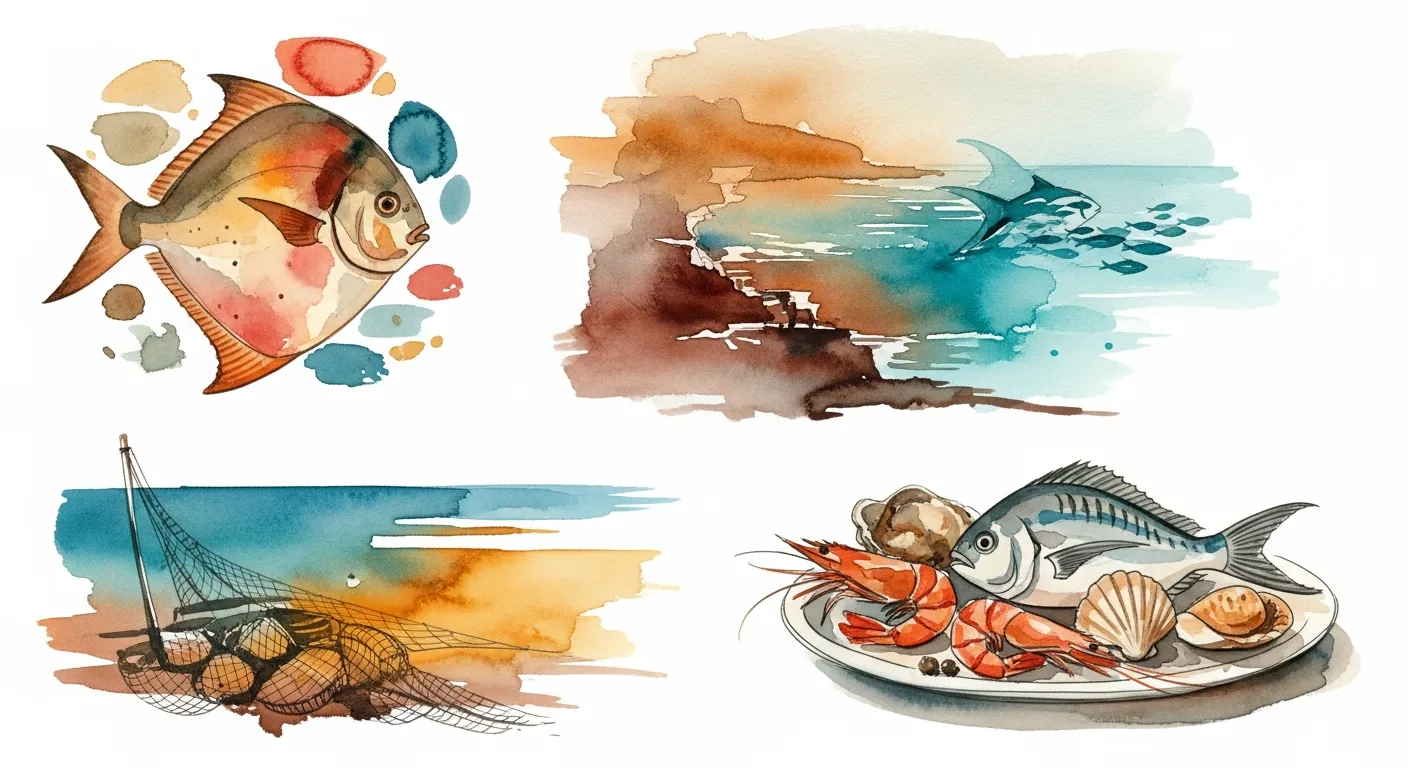
In Worli Koliwada, a 30,000 crore road is rewriting a 600-year-old kitchen. The fish are smaller. The bombil rack is shorter. The bottle of masala is still on the shelf.
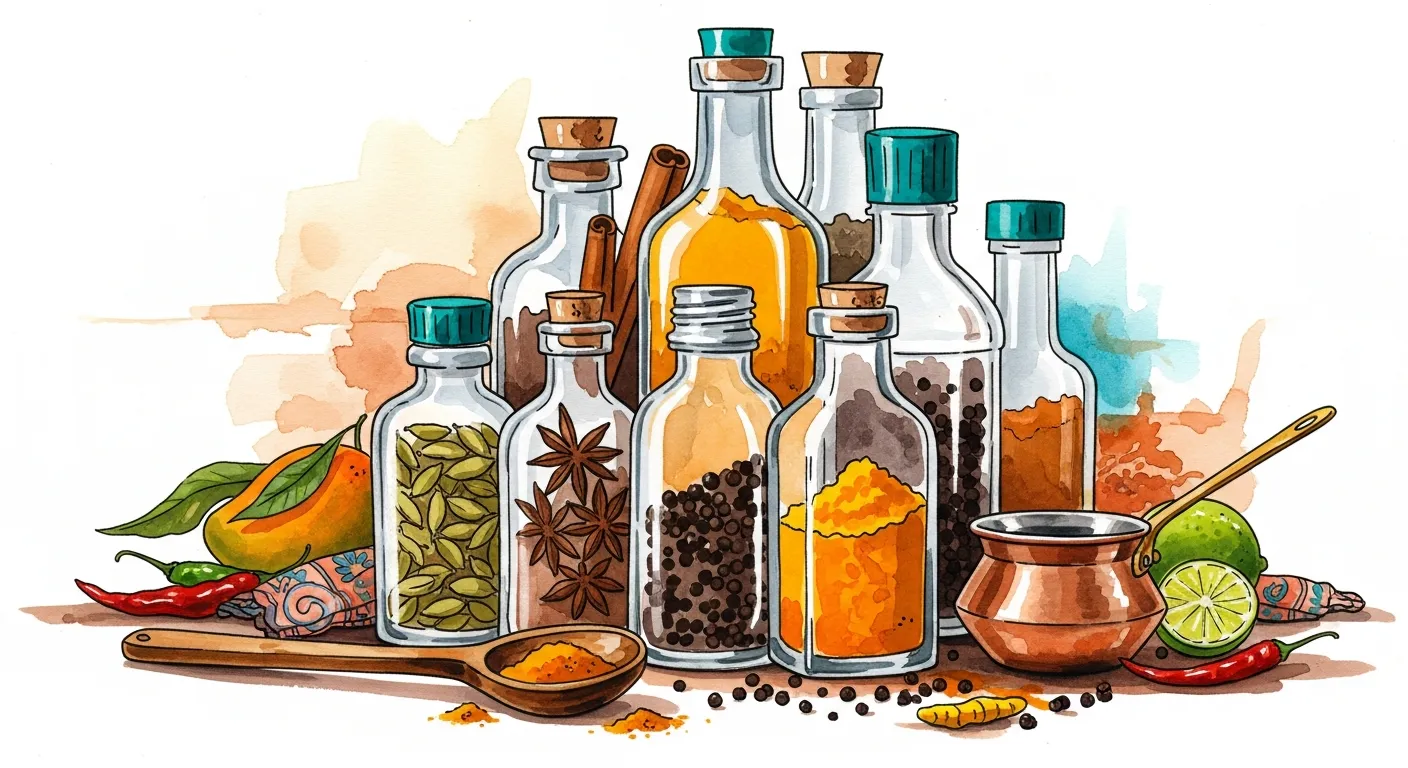
In a 400-year-old village inside Mazagaon, the East Indians are arguing with their own kitchens. The bottle is winning. The hands are not.
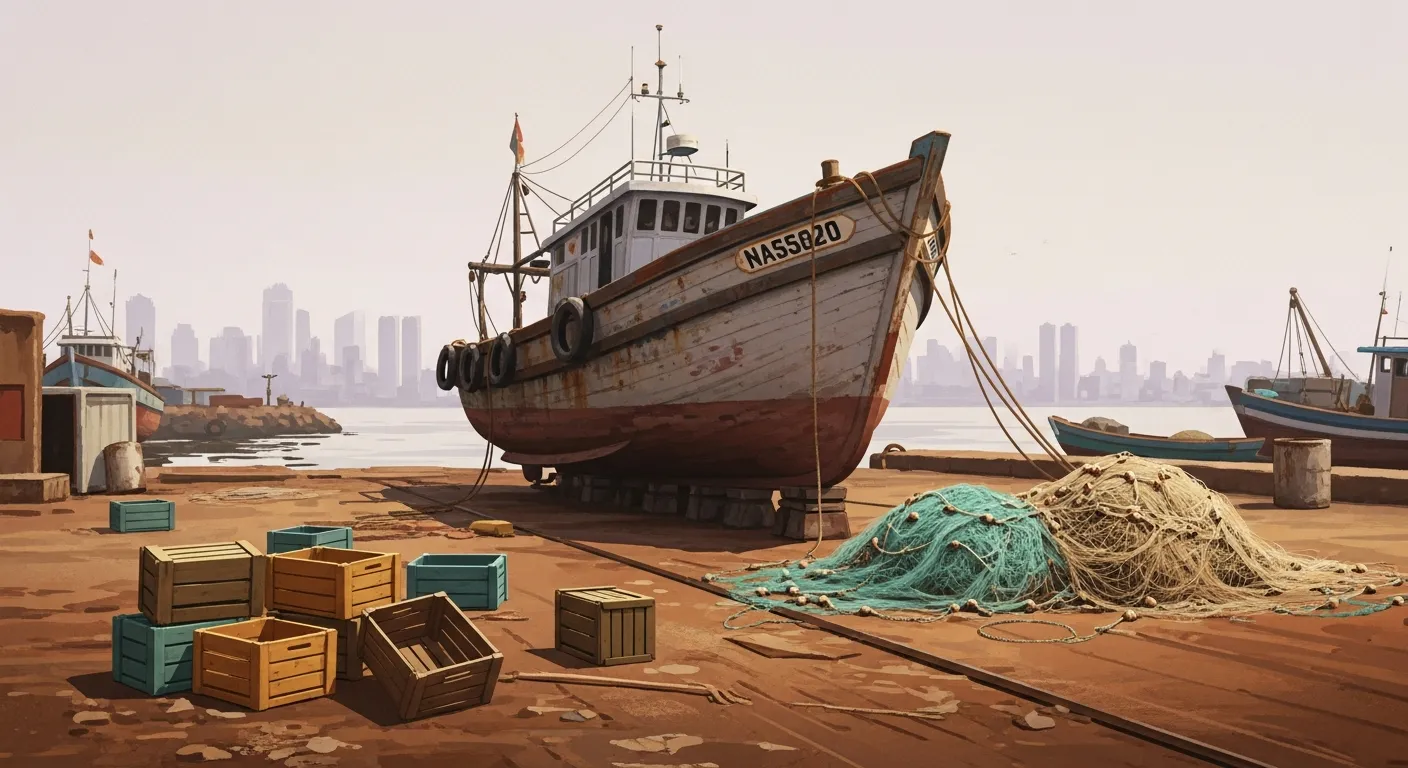
Sassoon Dock has been Mumbai's first stop for fish since 1875. The community that built it is now being asked to leave the room while the room gets renovated.
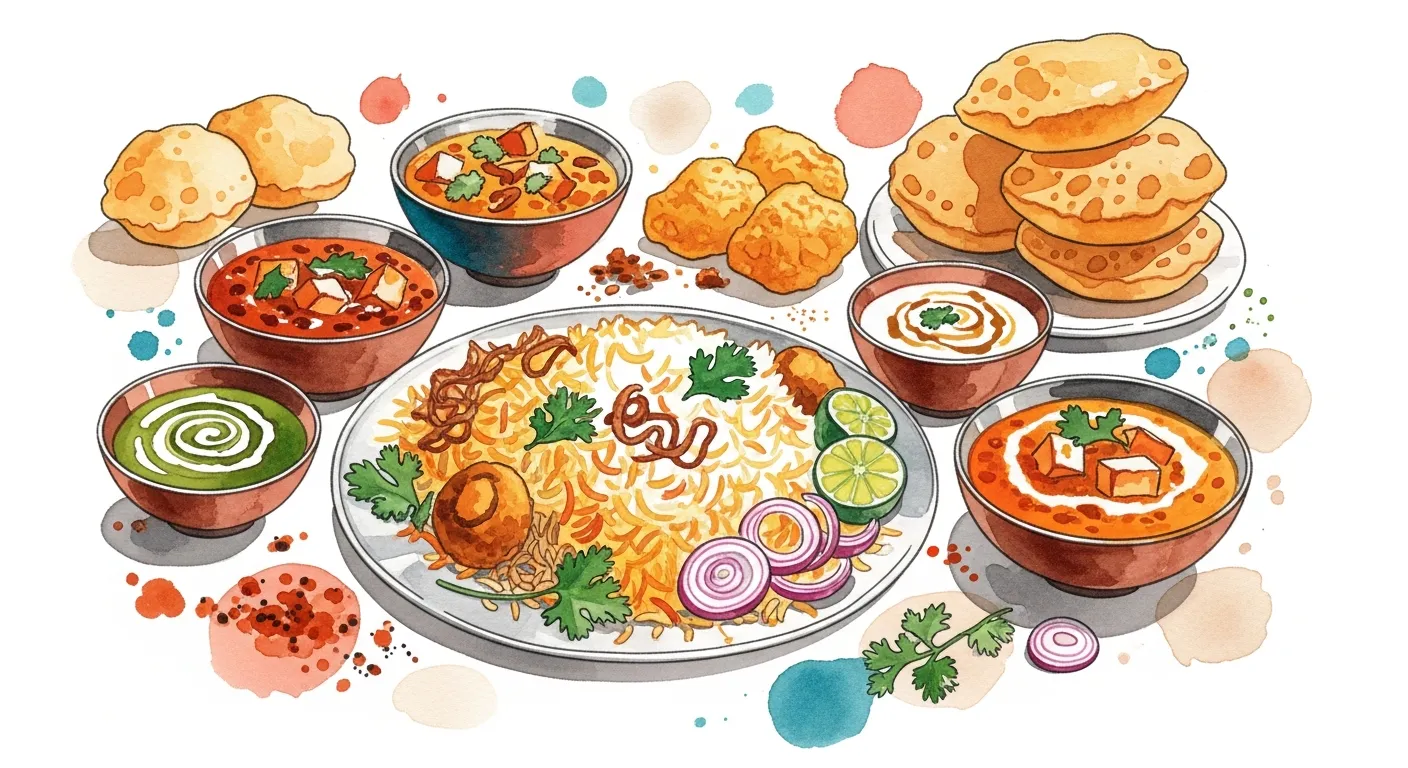
Matunga's Udupi houses have outlived three generations, two pandemics, and one cooking gas crisis. The fourth generation is the one nobody is sure about.
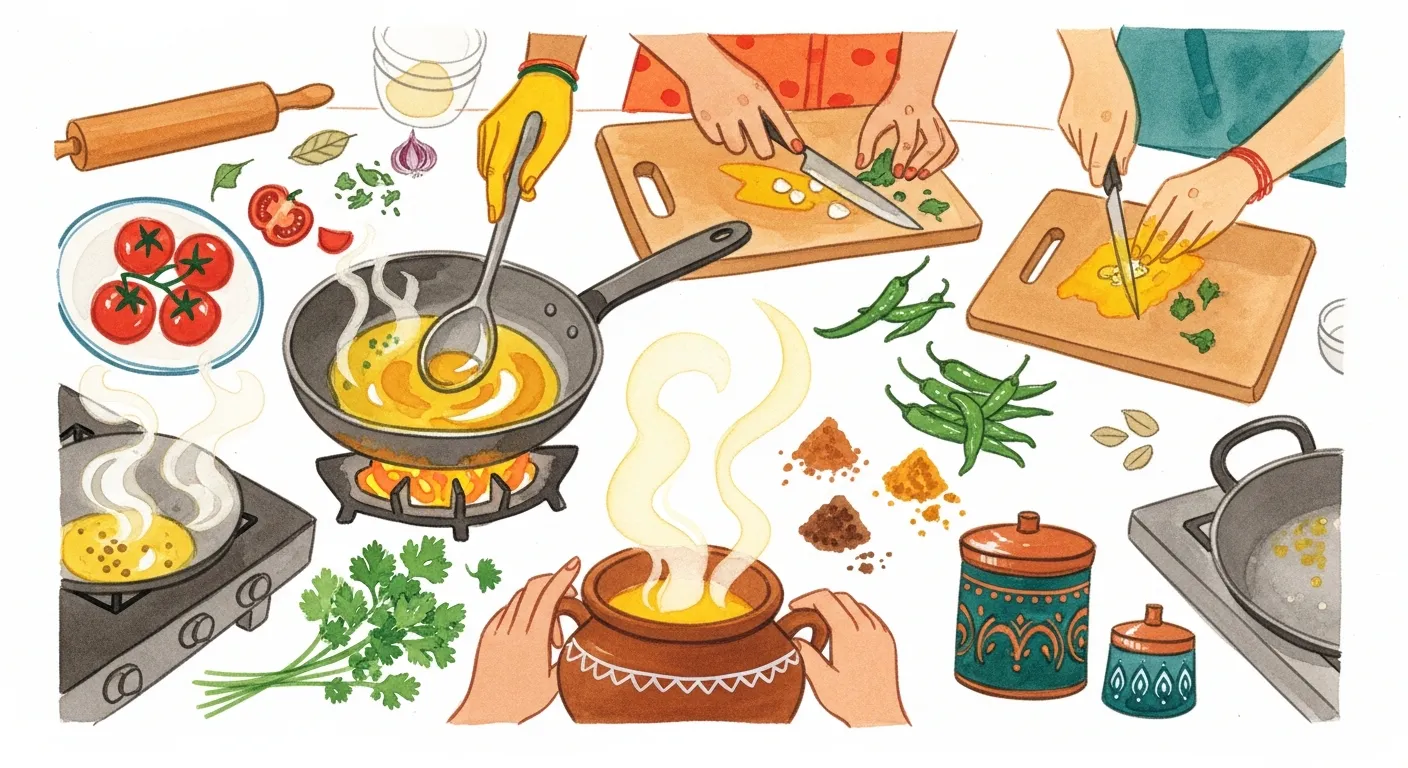
A 300-square-foot room in Versova, no signboard, no waiters, no rent that would close a restaurant. The economics of dinner just got rewritten on a service road behind Yari Road.
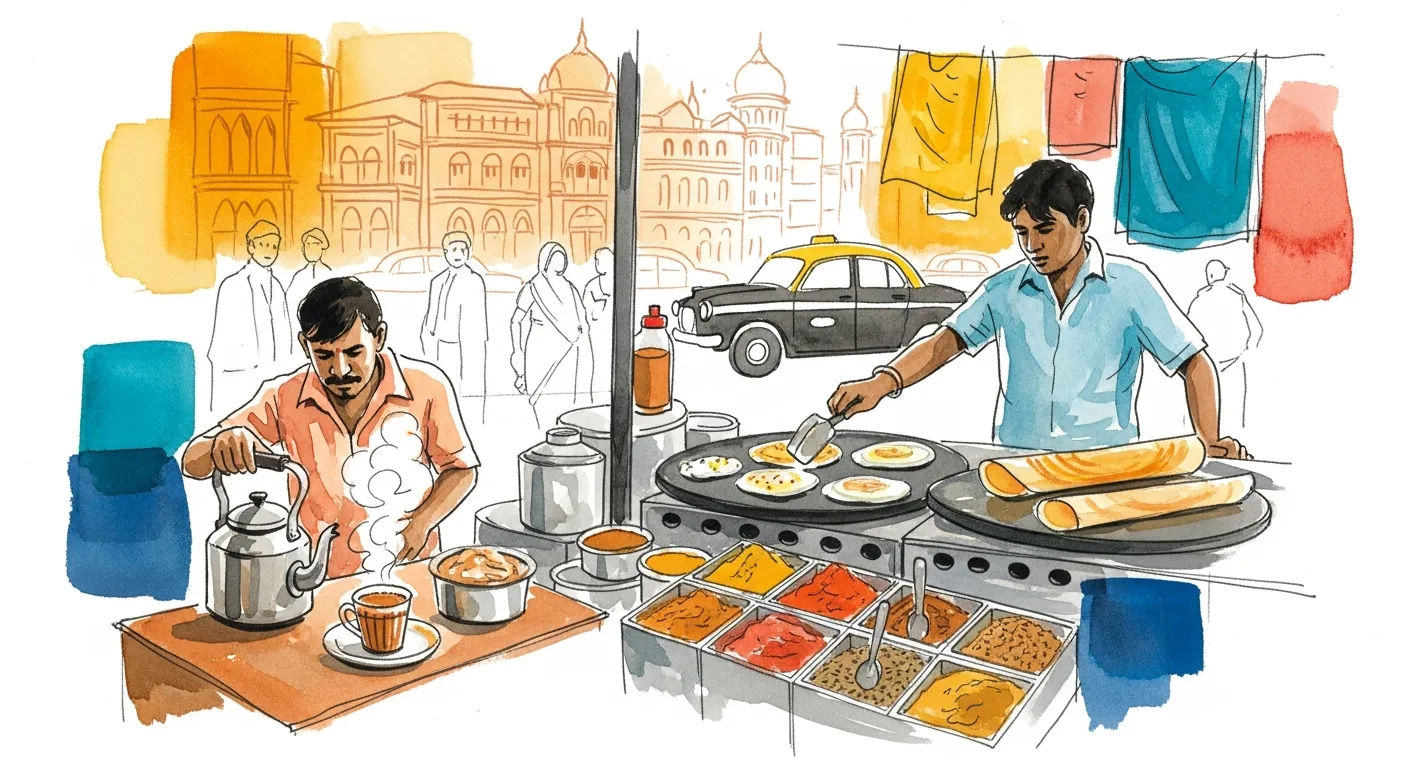
Five ingredients. One Hindi word. Four hundred years of cocktails that started on this coast and came back as something else.
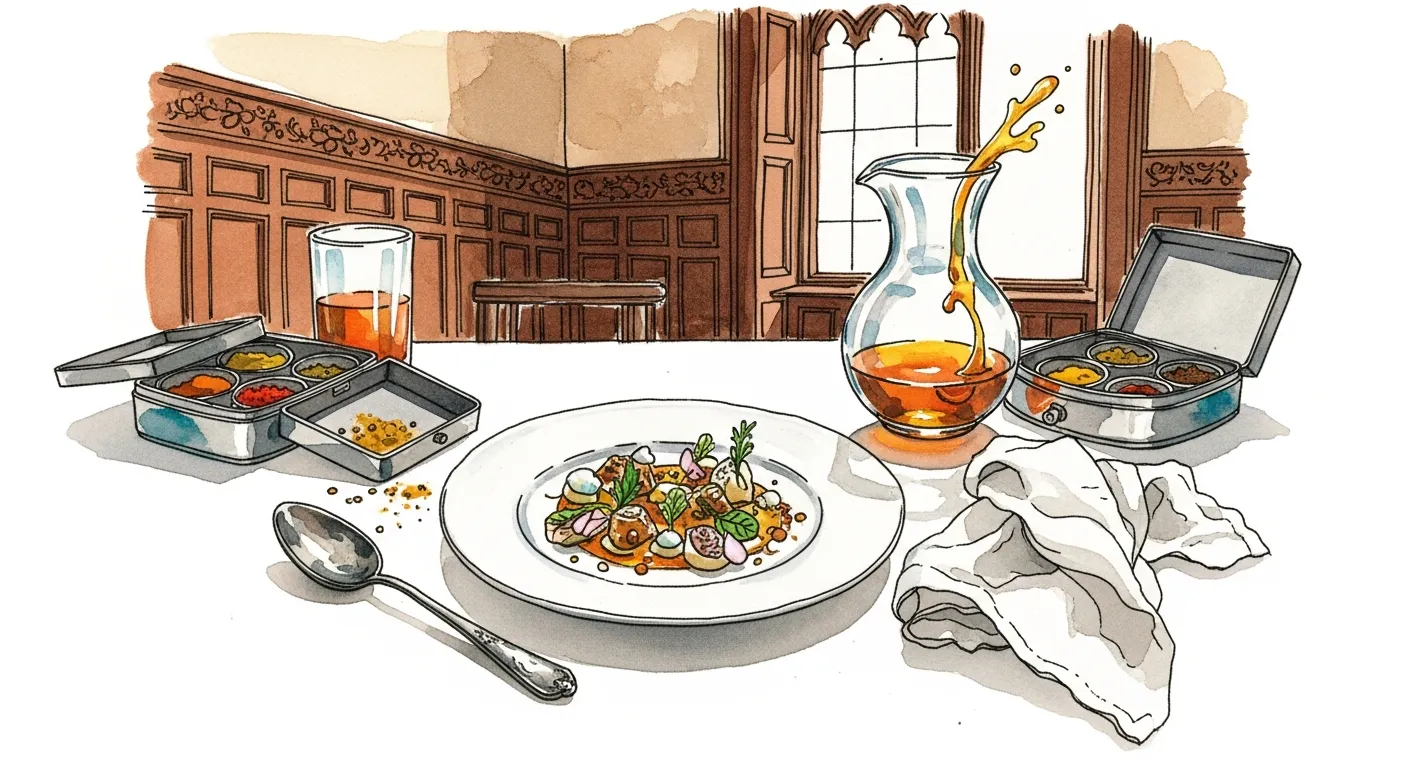
Ballard Estate was built to ship cotton. A century later, its ground floors are shipping pre-colonial ingredients back into the Indian mouth, at fine-dining prices.
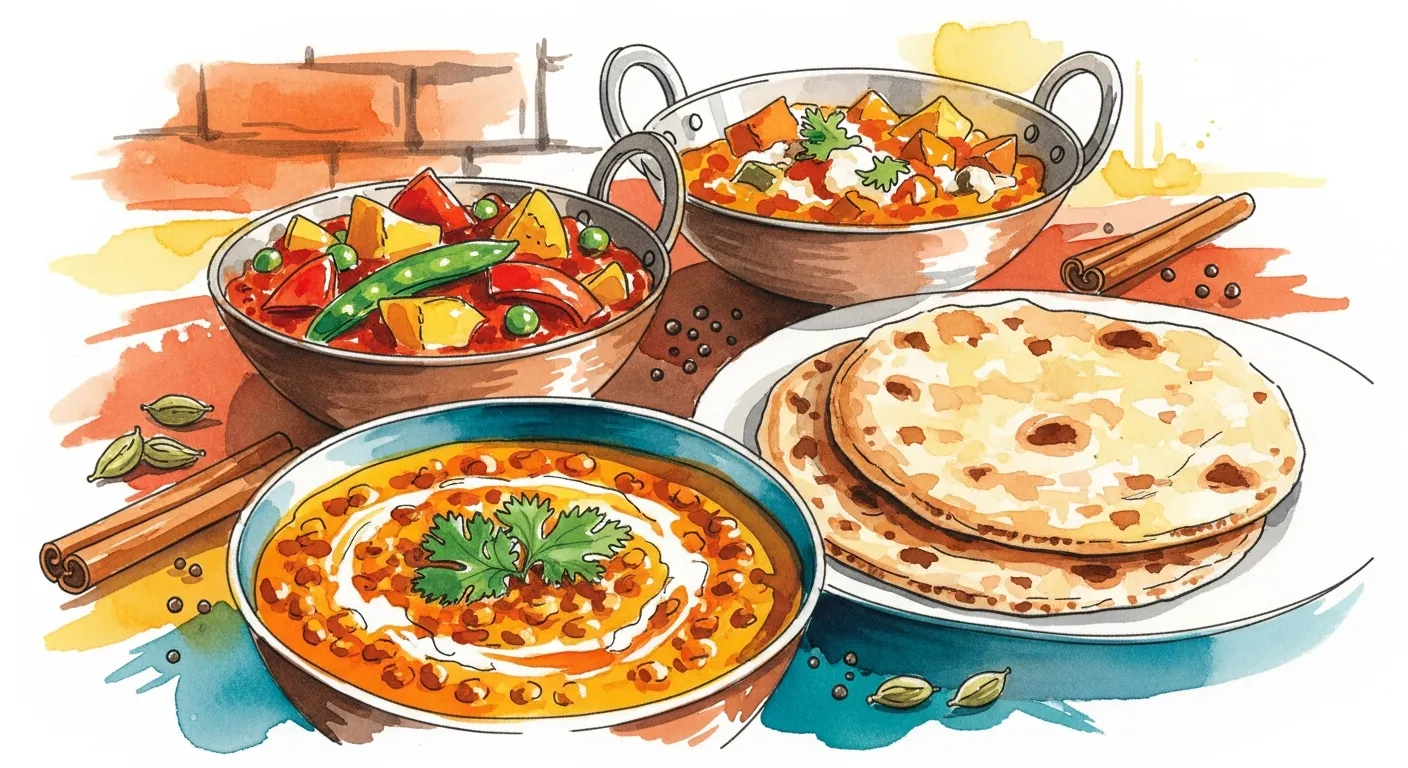
A British licensing officer made a joke in 1923. A hundred and two years later, the joke is still serving berry pulao.
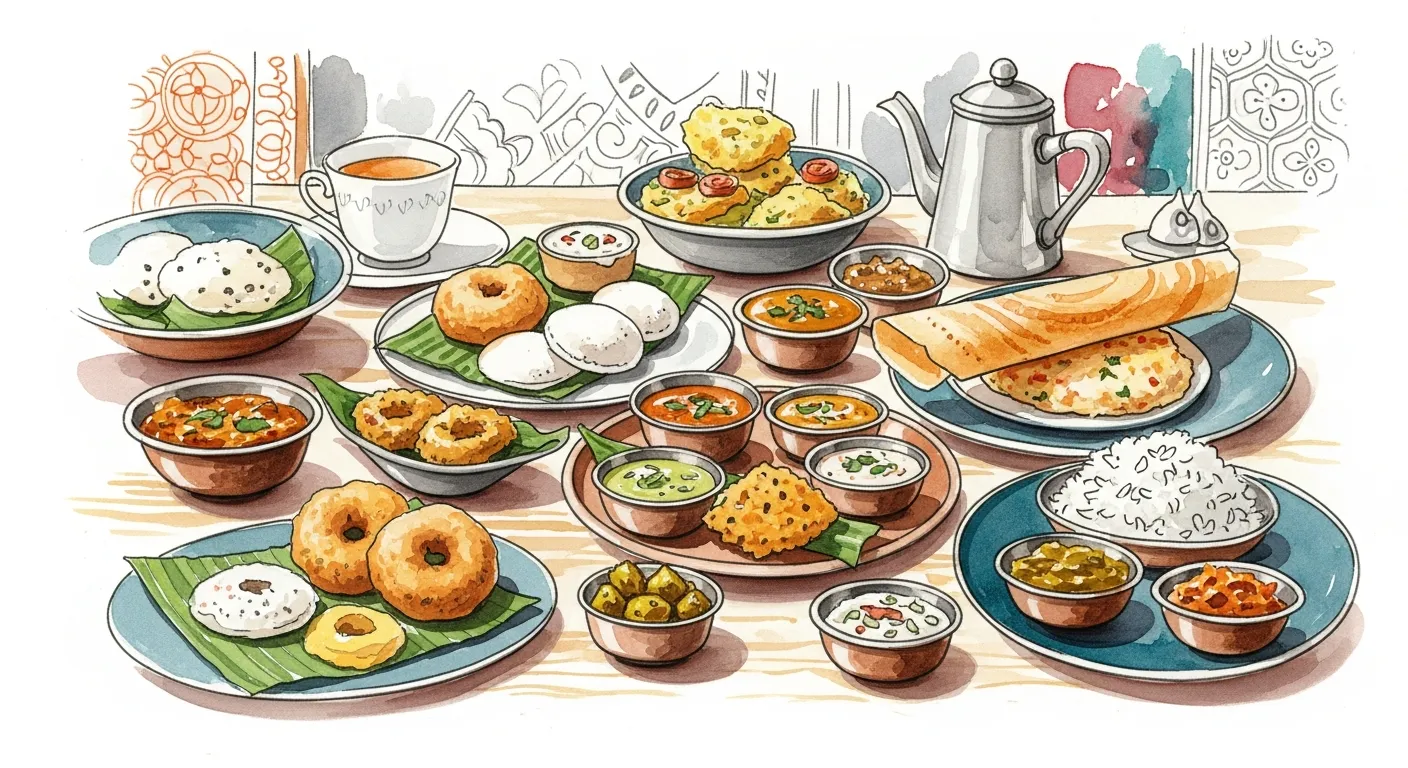
Bombay's bars were born from a prohibition that never quite ended. The cocktails are new. The thirst is older than the city.
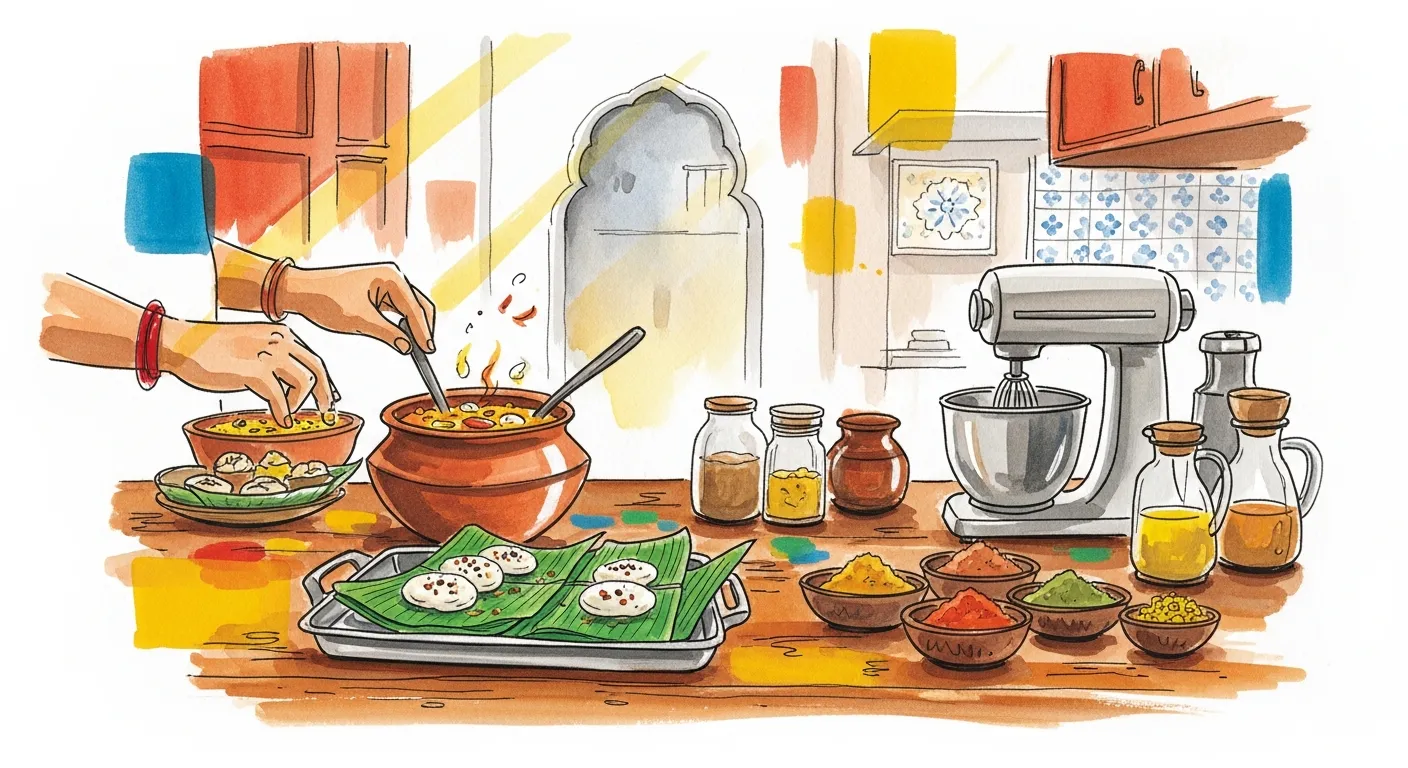
Dadar Parsi Colony built itself around a community of 14,000. The community is smaller now. The kitchens are not. A dhansak made on the third floor of a 1930s block is now eaten in a flat in Goregaon, twenty kilometres and one app away.
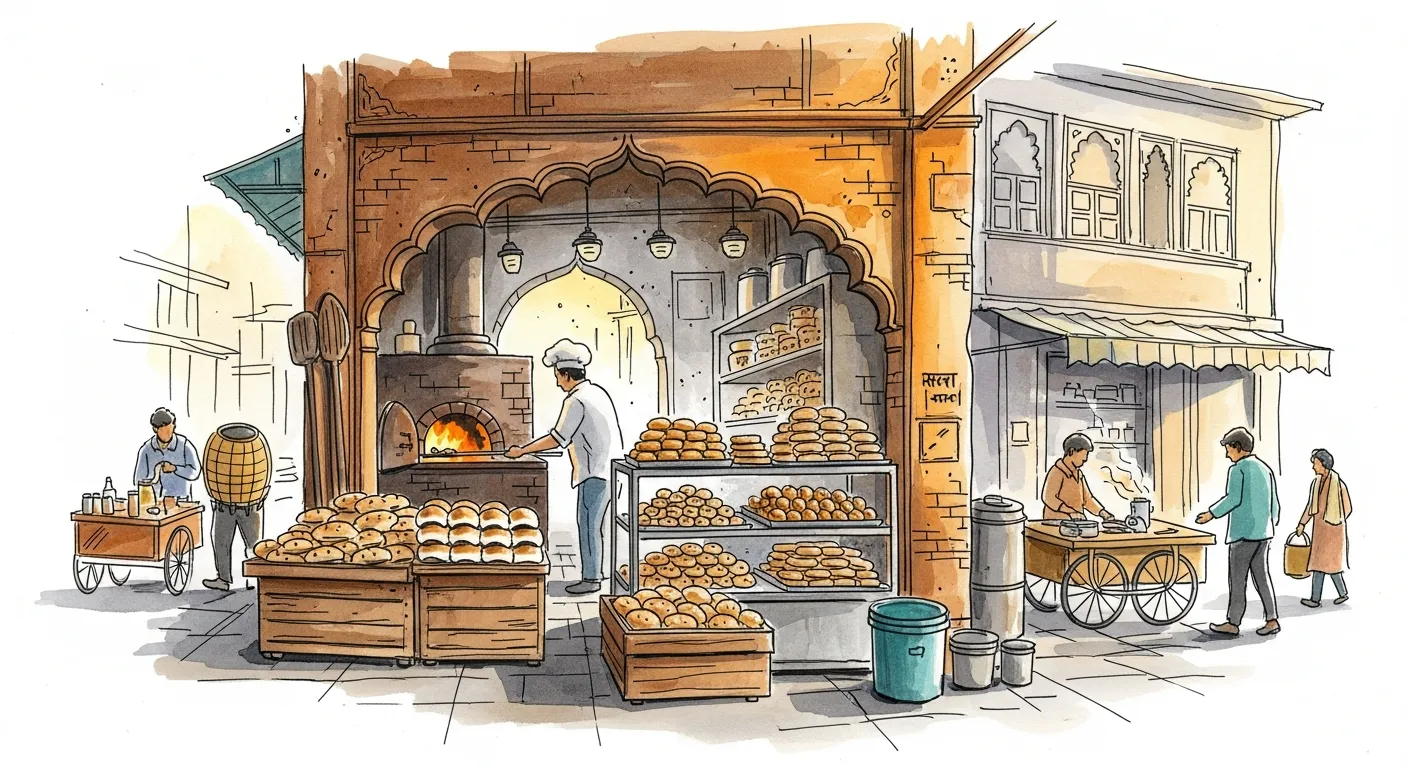
Bhendi Bazaar's Bohri bakers have outlasted plague, partition, and prohibition. The cement mixer might be different.
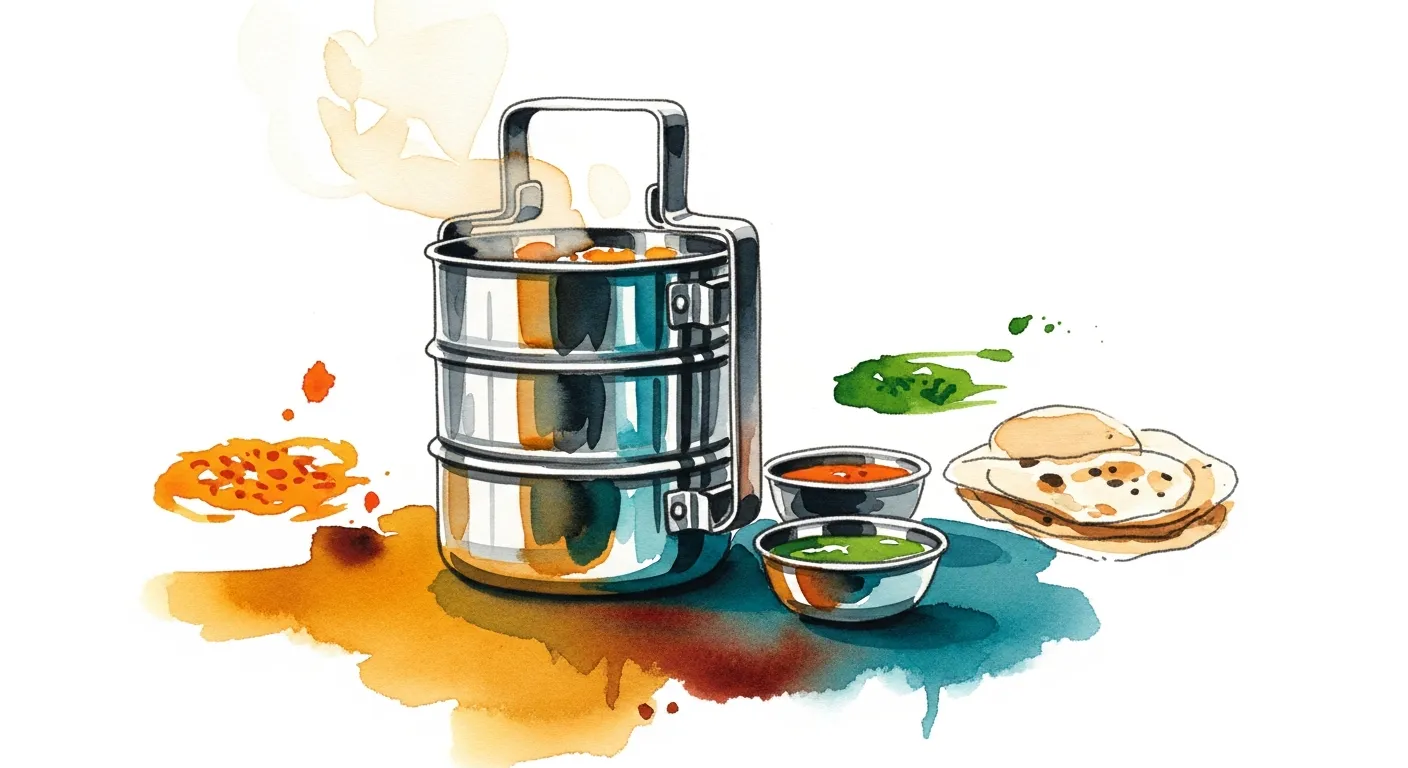
Thane West did not ask for Karnataka butter dosa. It asked for a one-bedroom flat near a tech park. The dosa came with the lease.
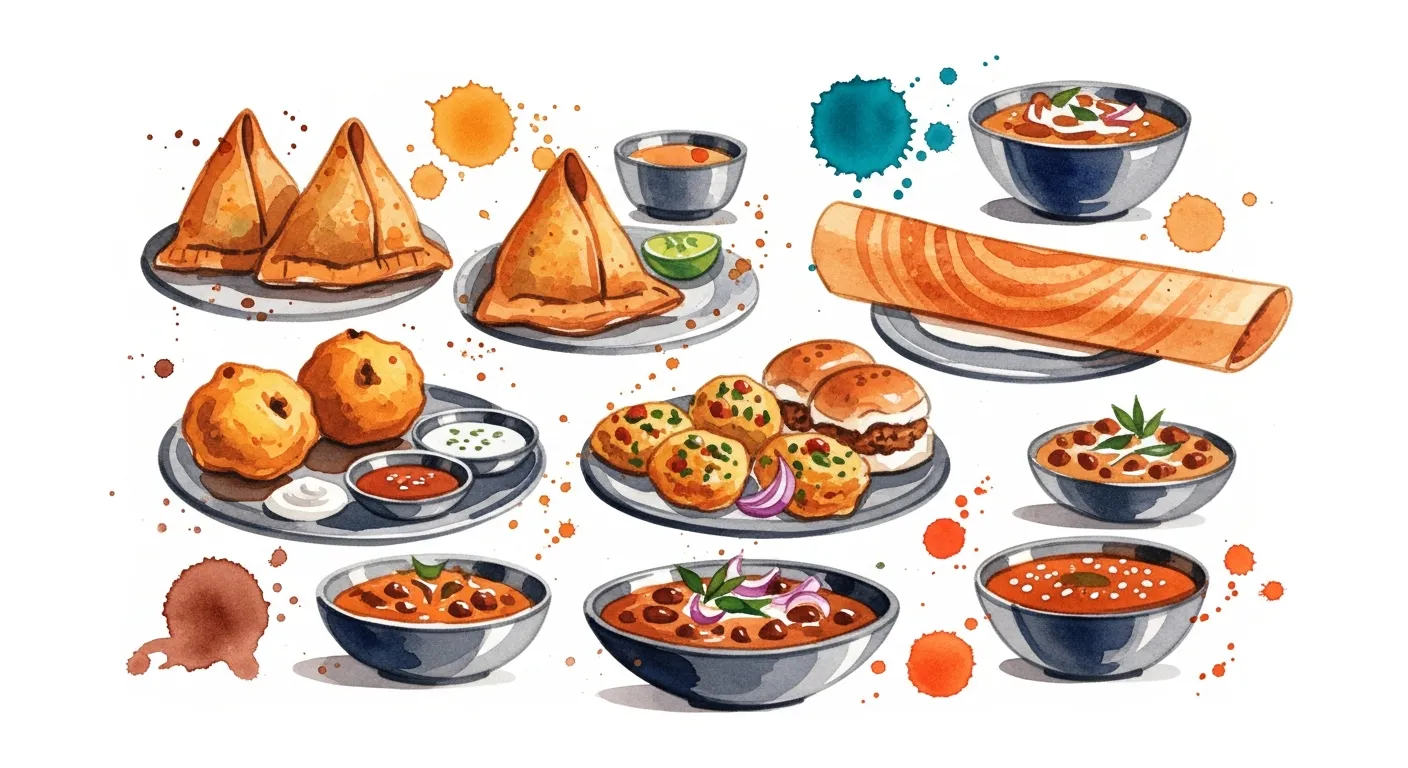
A Fort sandwich was built around a 1 pm rush that no longer exists. The cylinders cost three times what they did. The clerks work from home on Fridays. And the man with the butter knife is still showing up at 8 am.
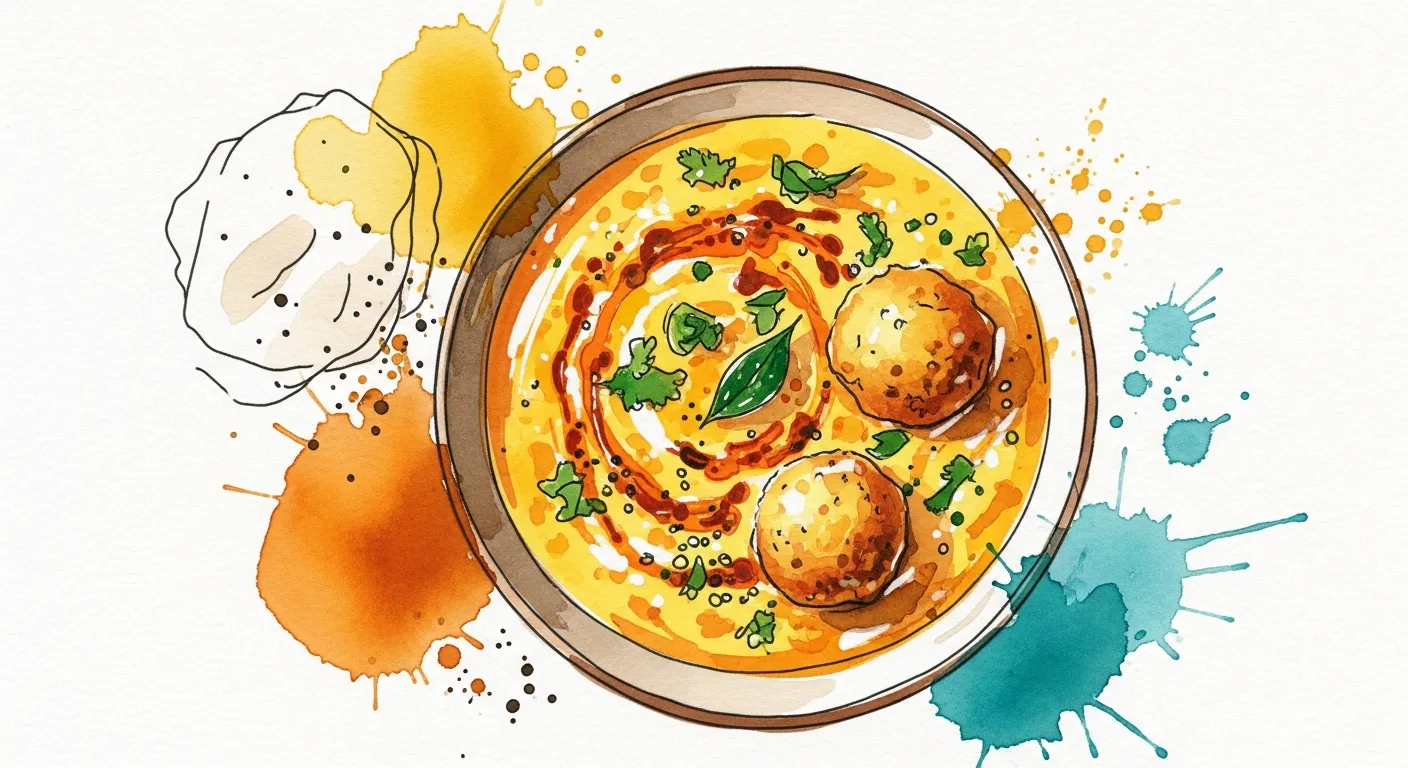
A 75-year-old Sindhi cafe in Chembur. A vegetable price that doubled in May. A community that lost a country and kept the recipes. And what happens when the kokum gets expensive.