The Monsoon Kitchens of Kalina
East Indian home chefs have been frying fugias for four hundred years. The pumpkin got expensive. The recipe did not.
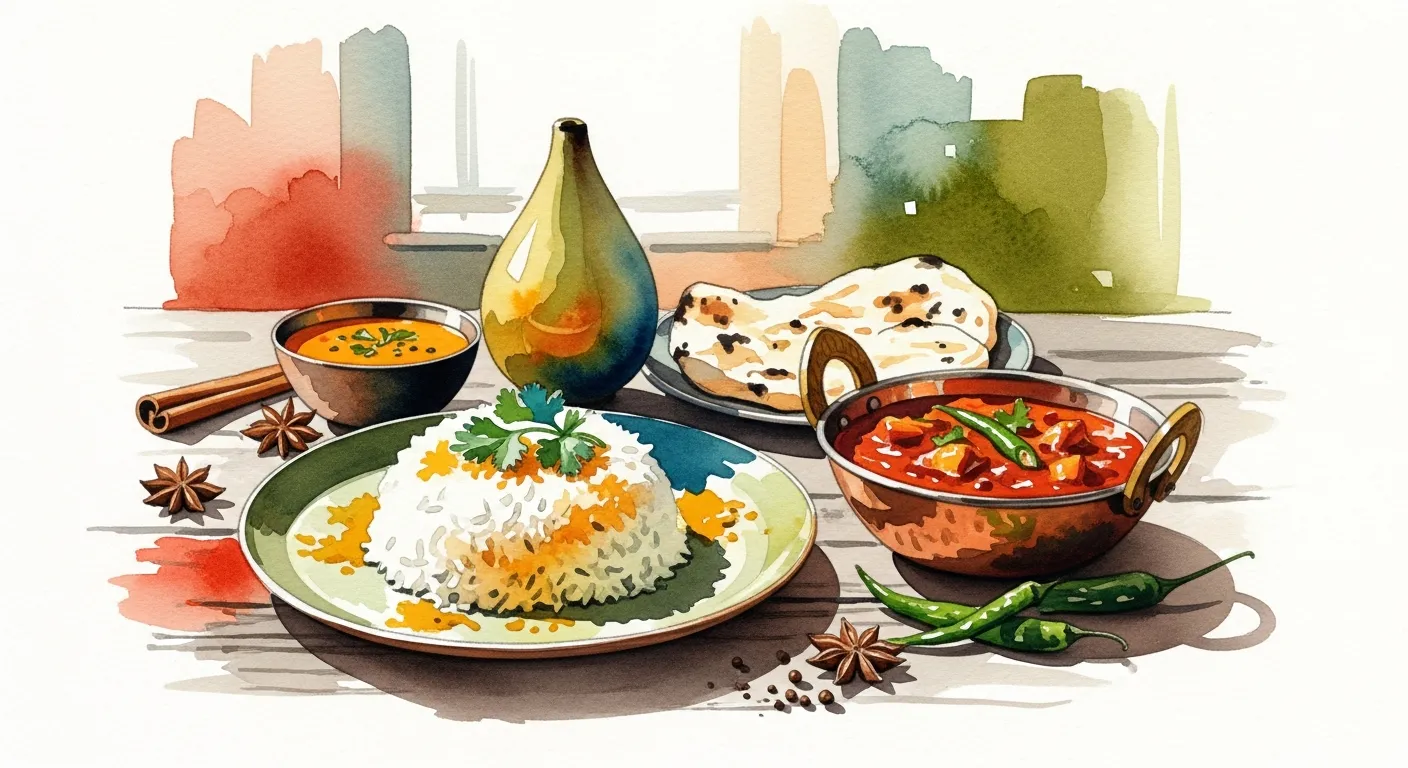
Generated by Imagen 4
The Portuguese arrived in Bassein in 1534. They stayed for two hundred and five years. When they left, they took the fort, the cannons, and the flag. They left behind a community that nobody asked them to create.
The East Indians were not from the east. They were Marathi-speaking Catholics from the seven islands and the Salsette coast, who took the name in 1887 to distinguish themselves from the Goans and Mangaloreans arriving in Bombay for clerical jobs under the East India Company. The British were hiring. The locals wanted the work. A name was a job application.
Four centuries later, their grandchildren are frying pumpkin fritters in Kalina kitchens and trying to figure out how to keep doing it when the pumpkin costs forty percent more than it did last June.
THE GAOTHAN THAT REFUSED TO LEAVE
Kalina is one of the last East Indian gaothans in the city. Kole Kalyan, the older name, sits between the airport and the university, hemmed in on every side by glass towers and BKC overflow. The lanes are narrow. The houses still have courtyards. The crosses at the junctions are older than most of the buildings around them.
The community that lives here cooks in a way that does not exist anywhere else in India. Fugias, the soft yeast-leavened fried dumplings that go with sorpotel. Chinchoni, the tamarind and jaggery sweet-sour preparation that the Portuguese never quite recognised as their own. Vindaloo with the actual vinho and alho still in it. Bottle masala, the forty-something-spice blend each family grinds once a year on the terrace and guards like a will.
Nobody talks about the monsoon economics of this kitchen.
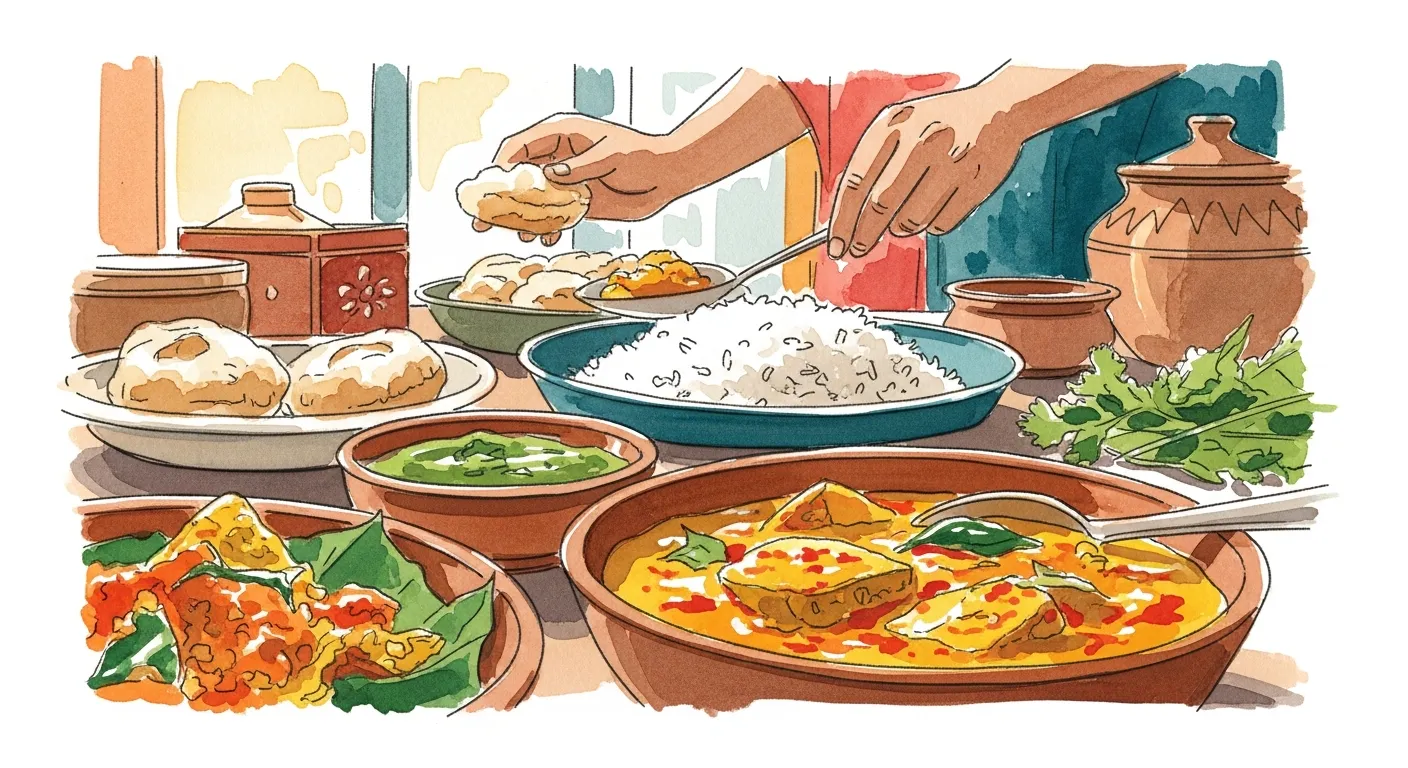
The glossy features arrive every year around Easter. The food press shows up for the wedding khana. The cookbooks document the recipes. Deccan Herald covered the release of Jevayla Ye, a living archive of centuries-old culinary history, and rightly so. But the women running tiffin services out of three-room flats in Kalina are not festival cooks. They are monsoon cooks. June to September is when the orders pile up, because the fugia and the chinchoni are weather-coded foods, built for the season when nothing else feels right.
And this June, the math stopped working.
THE PRICE OF A FUGIA
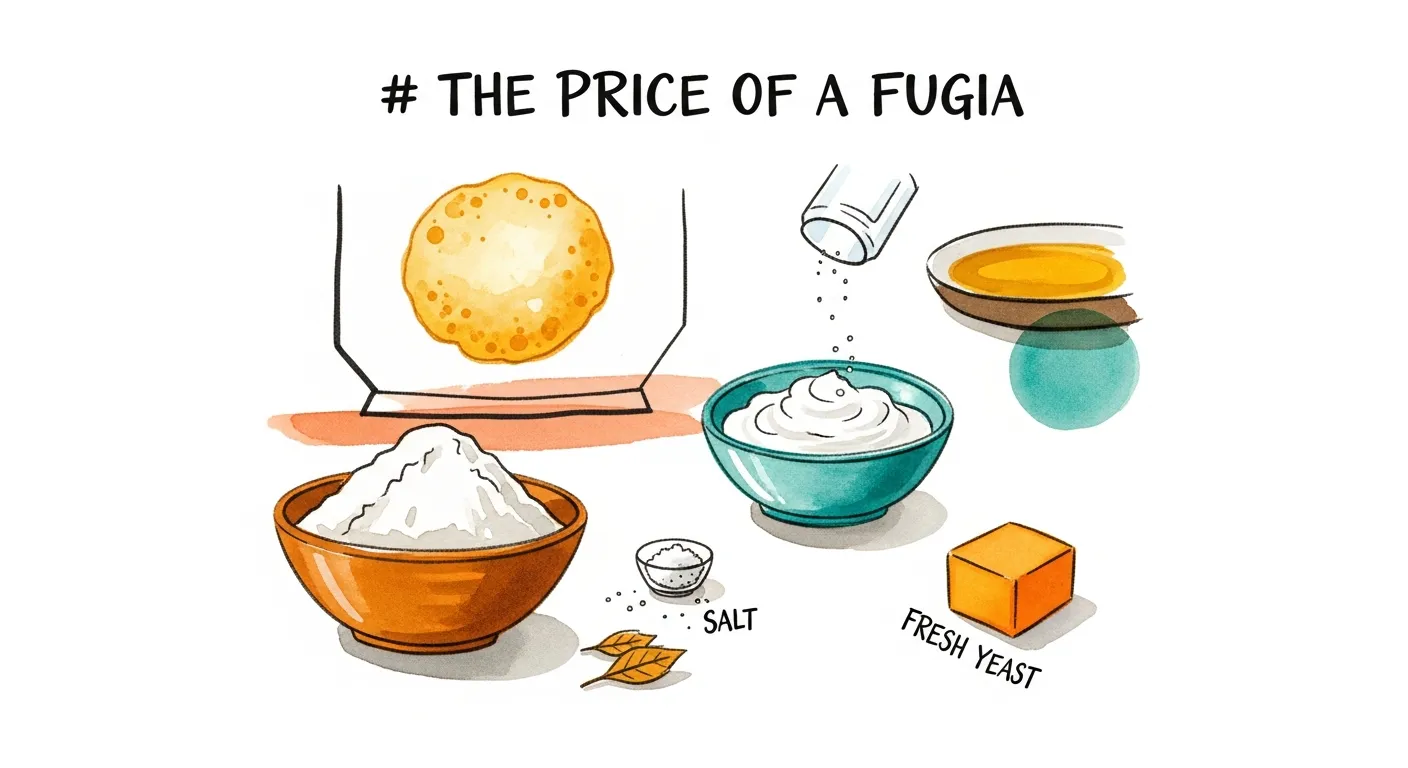
A fugia, properly made, needs maida, fresh yeast, coconut milk, sugar, a pinch of salt, and oil deep enough to float the dough. The ingredients are humble. The ratios are not.
Raw material costs across Indian food categories have climbed by 8 to 10 percent, with the big FMCG companies signalling further retail price hikes through the year. The Times of India reported that those hikes are expected across food and personal care. The Economic Times put it sharper: edible oils, rice, and vegetables are climbing because the monsoon itself is reshaping supply.
The monsoon that makes the fugia necessary is the same monsoon that makes the fugia expensive.
For a home chef working a WhatsApp order book, those percentages are not abstract. A kilo of maida that cost one figure last year costs another now. Coconut oil, the fat that fugias want and refuse substitutes for, has moved the most. Tamarind, the soul of chinchoni, is seasonal and the season was short.
The FMCG giants can absorb the shock, pass it on, and report earnings. Times Now noted that the big companies are calibrating what reaches the shelf and when. A home cook in Kalina has no shelf. She has a price she quotes on WhatsApp and a community that remembers what she charged last year.
WHAT THE AUNTIES ACTUALLY DO
The adaptation is quiet and it is not visible from outside the kitchen.
The first thing that changes is the order window. The tiffin services that used to take walk-in monsoon orders now ask for forty-eight hours notice. The reason is procurement. If you know on Tuesday what Saturday looks like, you can buy the coconut at the Kalina market on Wednesday morning instead of paying the Friday evening rate.
The second thing is the batch size. The fugias are made in larger lots, twice a week, instead of fresh every morning. This is heresy by old standards. The old standards were set when maida was cheap and time was cheaper.
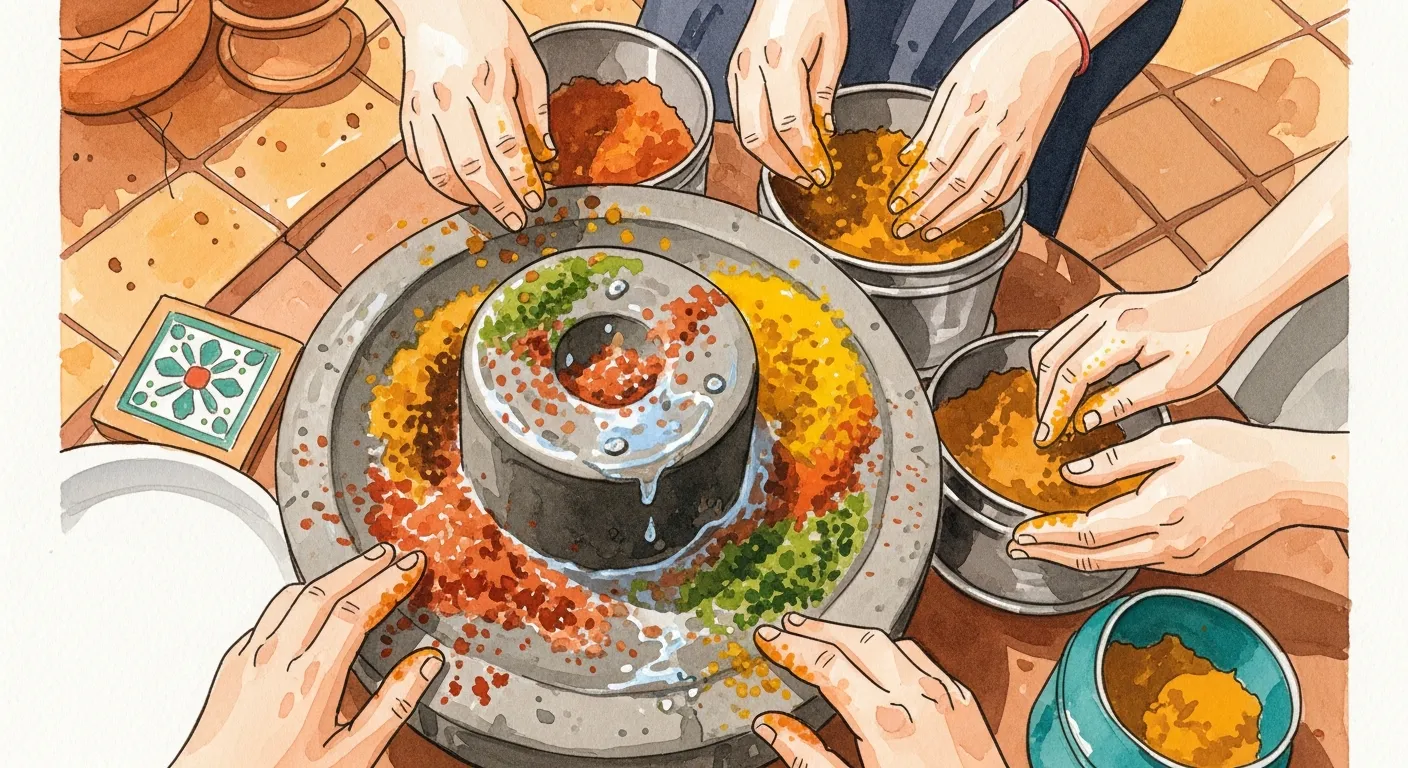
The third thing is the bottle masala calendar. The annual grind, traditionally done on a terrace in April before the rains, is now done in family pools. Three households share one grind. The spice mix is identical because the recipe came from the same grandmother. The cost of dried chillies and coriander, split three ways, makes the year viable.
The fourth thing is what the Business Insider piece on Michelin chefs called varying the price points. The Kalina aunties figured this out before the Michelin chefs wrote it down. The Sunday platter has the fugia, the sorpotel, the rice. The Wednesday tiffin has the chinchoni with rice and a simpler curry. Different price, same kitchen, same hands.
The recipe does not change. The economics around it changes shape every monsoon.
THE GENERATIONAL CONVERSATION
The younger generation wants the food. They do not always want the four-hour proving time.
This is the real pressure, and it is not financial. The grandchildren of the women who learned to make fugias from their own grandmothers are working at Mindspace and Equinox and the towers in BKC. They want a fugia on Saturday lunch. They do not want to stand in a kitchen on Friday night waiting for yeast to do its work.
The negotiation is happening in every gaothan house. Some of it is generous. The aunties teach shortcuts where shortcuts do not break the dish. The dough can rest in the fridge overnight instead of on the counter. The coconut milk can be portioned and frozen. The bottle masala, once a yearly ritual, can be bought in 250-gram batches from the woman two lanes over who still grinds it the old way.
Some of it is non-negotiable. You cannot make a fugia without yeast and you cannot rush yeast. The dough takes what it takes. The frying happens in coconut oil and not in sunflower because the flavour notices. The chinchoni needs tamarind that has been soaked, not paste from a jar.
The shortcut is allowed. The substitution is not.
THE COOKBOOK AS INSURANCE
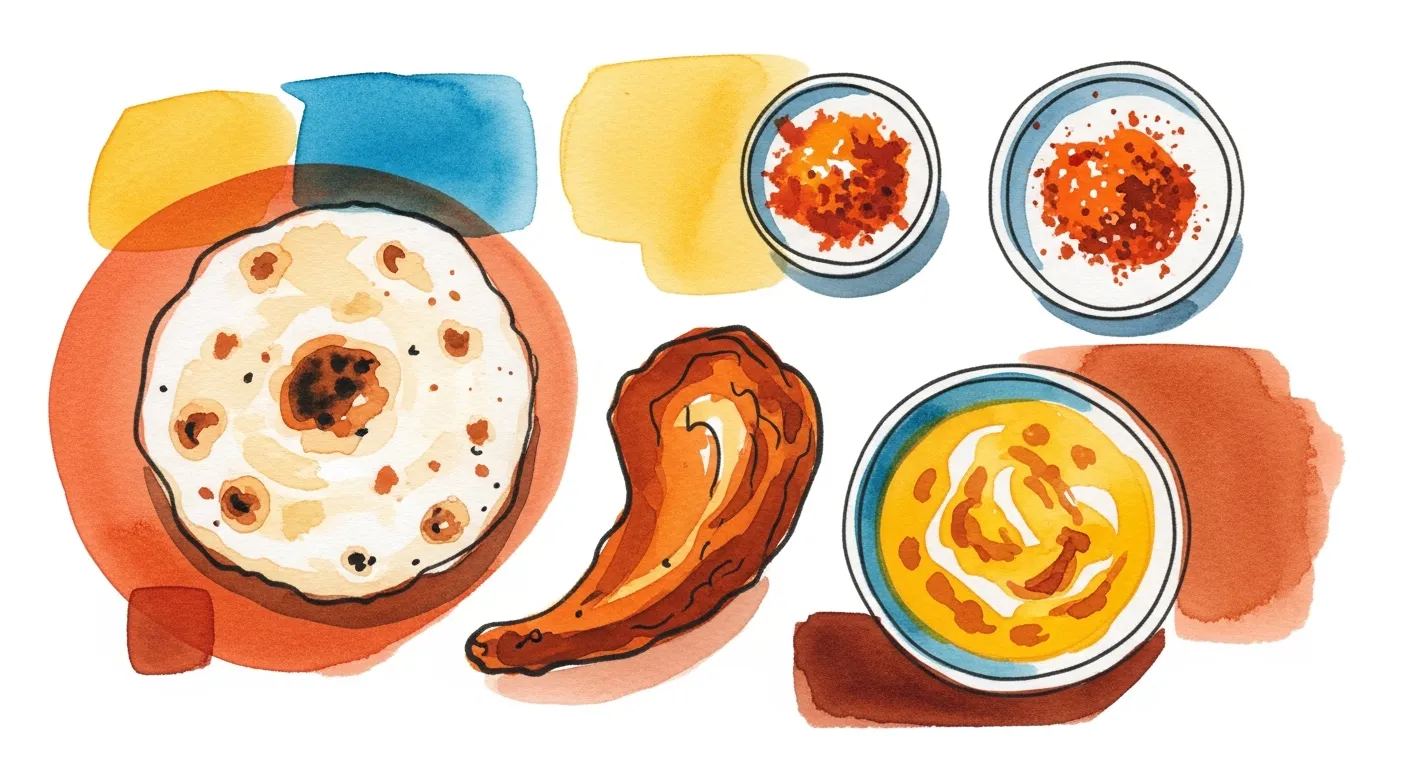
Jevayla Ye, the East Indian community cookbook documented by Deccan Herald, is doing something more practical than archival work. It is a price floor. When a recipe is written down with its actual ingredients and its actual method, it becomes harder for the dish to drift. The cookbook is a contract between generations. The fugia in the book is the fugia your grandchildren will eat, even if the maida costs three times what it does today.
The community has done this before. The bottle masala recipes that survived the move from Bassein to Bombay in the eighteenth century are the same recipes being ground on Kalina terraces this April. The Portuguese left in 1739. The vinegar in the vindaloo stayed.
THE MONSOON, AGAIN
It is raining in Kalina as this is being written. The gaothan lanes are flooded at the low end. The crosses at the junctions have their plastic covers on. Somewhere on Saint Anthony Street, a woman is portioning out fugias for a Saturday order. The maida cost more this week than it did last week. The coconut oil cost more than the maida.
She will charge what she has to charge. The order will go out. The people who eat them will not know about the 8 percent or the 10 percent or the procurement window. They will know that the fugia is hot, that it pulls apart in soft yeasted strands, that the sorpotel sitting next to it has the right colour and the right edge.
Four hundred years of monsoons. The pumpkin gets expensive. The recipe does not.
Field Notes
Quick referenceThe East Indians took their name in 1887, not as identity, but as a job application. The British were hiring. The Marathi-speaking Catholics of the Salsette coast needed to stand apart from the Goans and Mangaloreans arriving for the same clerical posts.
Kalina's older name is Kole Kalyan. The gaothan sits between the airport and the university, hemmed in by BKC overflow on every side. The crosses at the junctions predate most of the buildings around them.
Each East Indian family grinds its own bottle masala once a year, typically in April before the rains. The blend runs to forty-something spices. The recipe came from a grandmother. The proportions are not written down anywhere the outsider can find.
Rising spice costs have pushed Kalina households toward a new ritual: three families, one grind, split costs. The masala is identical because the recipe is identical. The grandmother is the same grandmother.
The Portuguese left Bassein in 1739. The bottle masala recipes that made the journey from Bassein to Bombay in the eighteenth century are still being ground on Kalina terraces today.
Get the next story first
Join the Bhukkads. Free, no spam, just stories.
Takes 30 seconds.