The Sancha and the Soft-Serve
On Mohammed Ali Road, a frozen dessert older than the Mughal courts is doing the math against industrial ice cream. The math is brutal. The kulfi is still winning.
Generated by Imagen 4
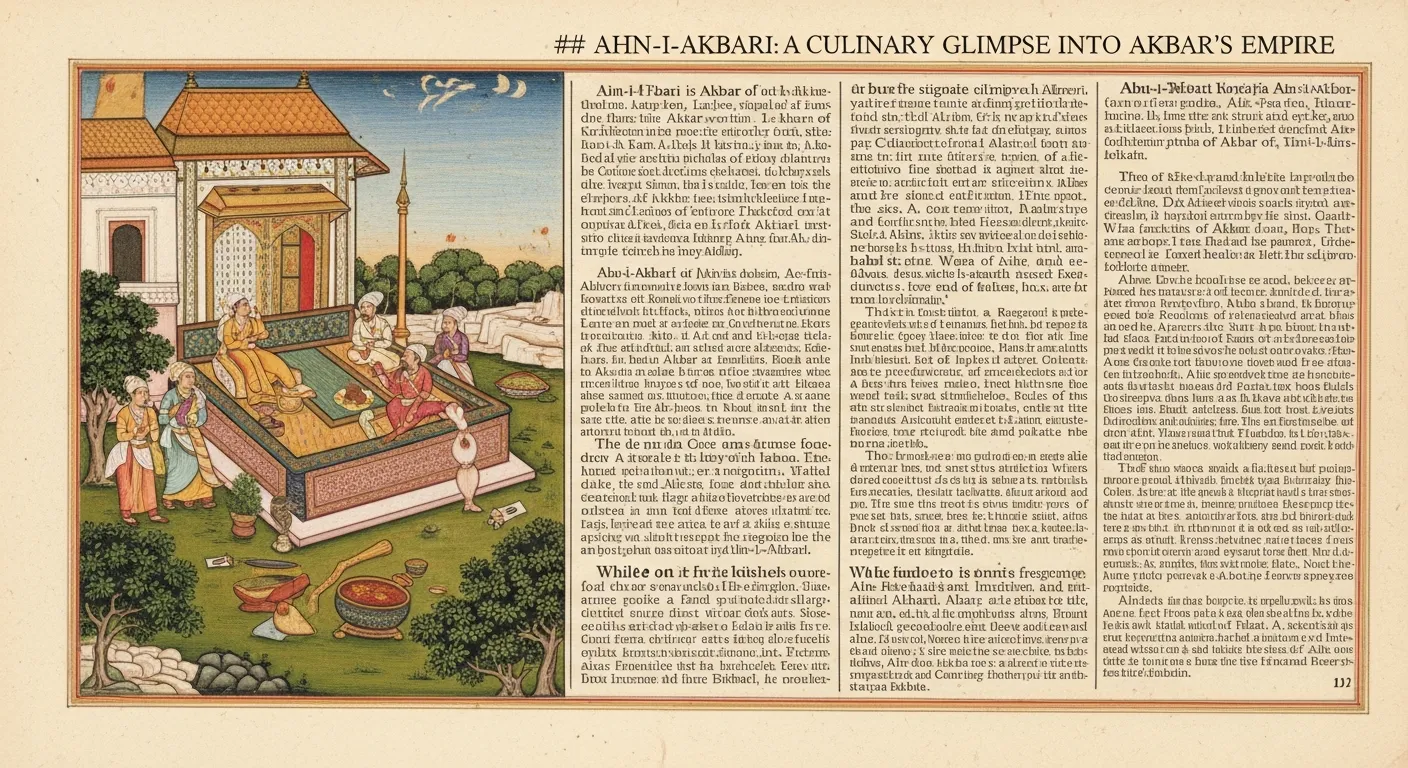
In 1596, a man called Abu'l-Fazl, court chronicler to Akbar, sat down to write a manual of empire. The Ain-i-Akbari ran to three volumes. It listed the cost of camels, the salaries of soldiers, the recipes of the imperial kitchen. Somewhere in those pages, between the biryanis and the sherbets, he described how the royal cooks were freezing milk. They reduced it on slow flame for hours till it thickened to a fraction of its volume. They poured it into conical metal moulds. They packed those moulds in earthen pots full of ice and saltpetre.
That dessert was kulfi. The conical mould was the sancha. The technique was being documented at the height of Akbar's reign, decades before the Taj Mahal was even commissioned. Four hundred and twenty-nine years later, on a stretch of road named after the founder of the All-India Muslim League, six men are still doing it exactly the same way.
They are losing.
WHAT THE MUGHALS LEFT BEHIND
Kulfi is not ice cream. This is the thing nobody outside the trade bothers to understand, and the confusion is what's quietly eroding the craft.
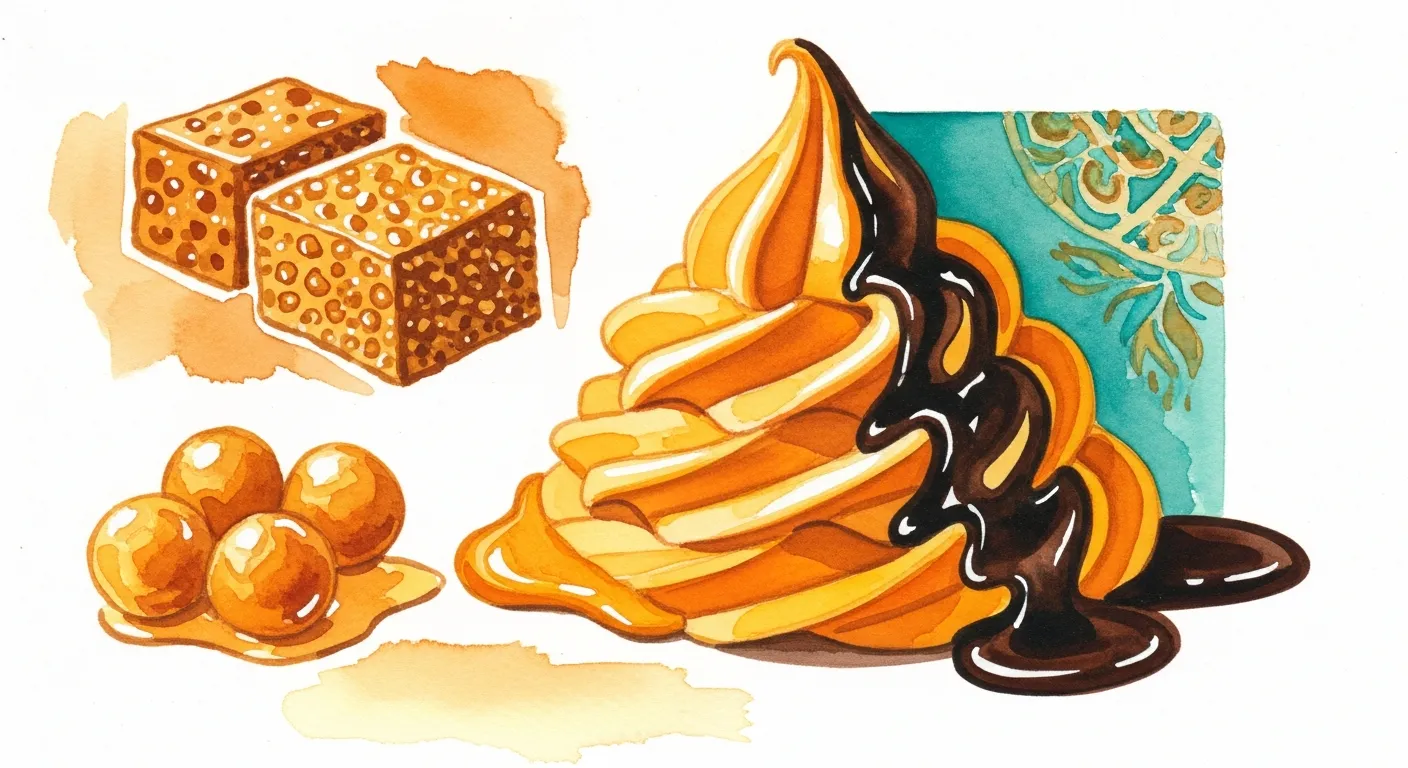
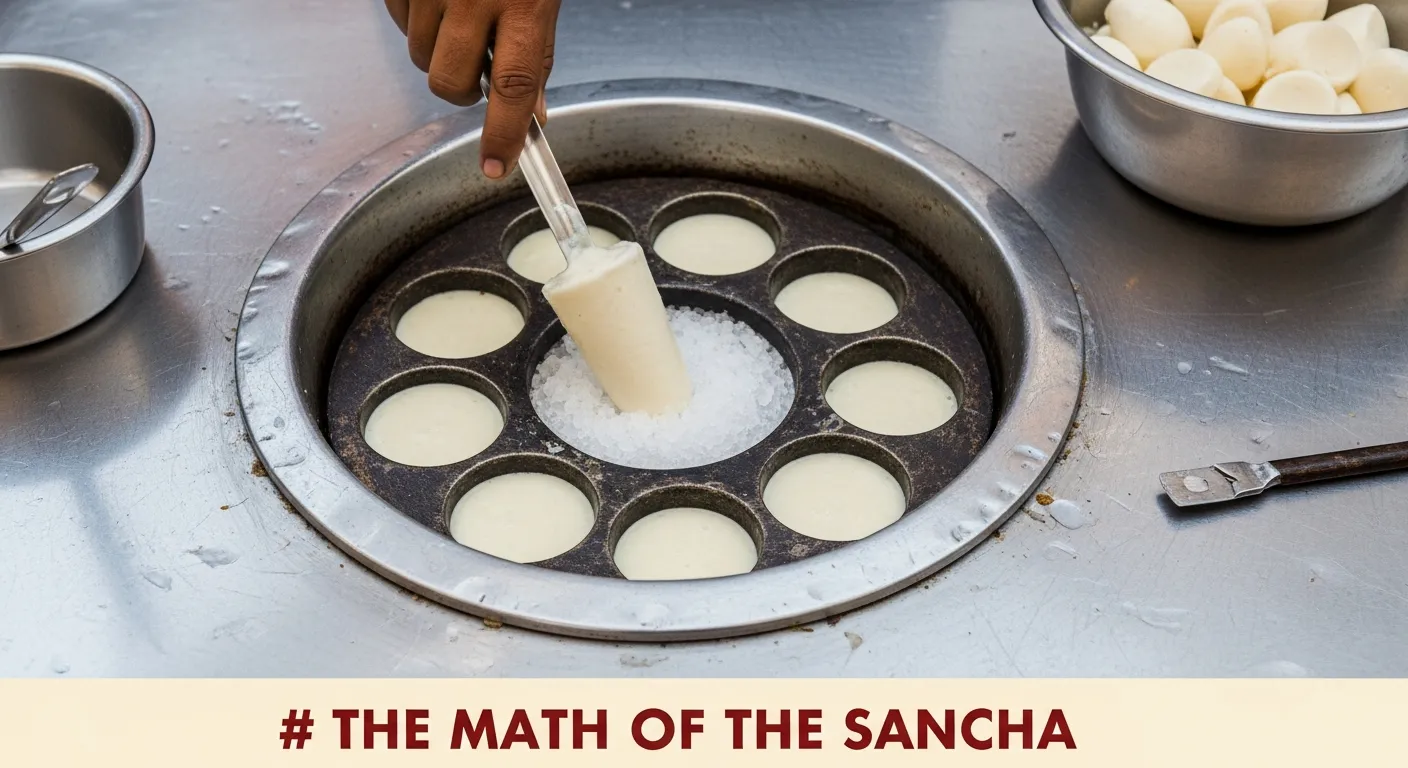
Ice cream is whipped. Air is folded into the cream while it freezes, which is why a scoop of vanilla doubles in volume by the time it leaves the machine. Kulfi is the opposite engineering: no air, no churn, all density. The milk is reduced for four to six hours till the lactose caramelises and the water is mostly gone. What's left is poured into the sancha, sealed with dough, and buried in a matka of crushed ice mixed with rock salt. Six hours later you crack it open and what comes out is not a dessert. It is a solid block of concentrated milk that tastes like a slow afternoon.
Arab News put it simply last July, writing about the same problem in Karachi: kulfi is a dense, creamy Mughal-era dessert made from slow-cooked milk, known for its caramel-like flavour. The Partition split the trade in 1947, but it split the craft along the same lines. On both sides of the border, the men with the sancha are looking at the same Excel sheet.
THE 138-YEAR HOLDOUT
Walk south from Minara Masjid, past the kebab smoke and the perfume sellers, and you'll find Taj Ice Cream. Opened in 1887. Run today by the fifth generation of the same family. The shop is so unceremonious you'll walk past it twice. A counter, a few stools, hand-painted signage. The board lists flavours: sitaphal, falsa, anjeer, badam-pista, kesar-malai. No soft serve. No tubs. No cones.
The sancha sits in the back. ETV Bharat reported this March that the family still uses the same conical brass moulds their great-great-grandfather imported. The milk comes from Aarey. The reduction happens on a coal bhatti because LPG, ever since commercial gas costs climbed sharply, has become a line item most kulfi men can't justify. Deccan Herald reported in March that eateries across the road have switched back to coal stoves. Coal is dirtier. Coal is slower. Coal is cheaper.
Taj has survived because it owns its shutter. The rent is not a monthly invoice. It is a 138-year-old fact. The men working the bhatti at four in the afternoon are paid less than the men running the till at the Natural Ice Cream outlet eight hundred metres up the same road.
THE 800-METRE PROBLEM
Nobody talks about the geography.
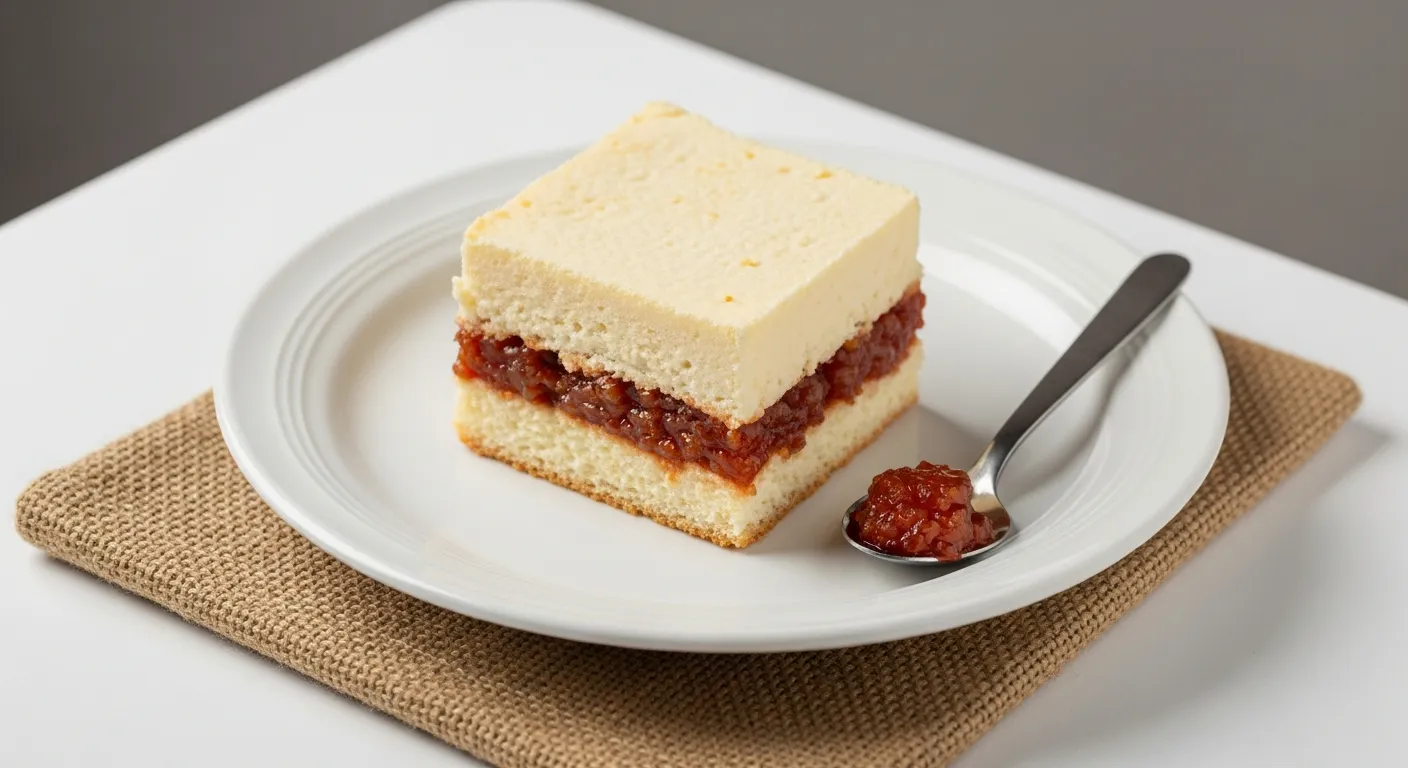
Mohammed Ali Road, in the span of a single half-kilometre walk, contains the entire frozen dessert economy of the subcontinent. A Natural Ice Cream outlet sits squarely on the same road, serving tender coconut and Alphonso scoops in air-conditioned comfort for prices that would have horrified Abu'l-Fazl. A few doors down, a sancha-wallah is selling a denser, slower, more historically loaded product for roughly the same money, and losing the footfall war.
Why? Because Natural Ice Cream is a brand. It has a logo. It has a uniform. It has the implicit promise of consistency, refrigeration, and the FSSAI sticker on the wall. The kulfi man has his name written by hand on a piece of cardboard and the trust of three generations of regulars who are slowly moving to Bandra and Kalyan.
Industrial ice cream wins because it's legible. Kulfi loses because it requires you to already know what it is.
THE MATH OF THE SANCHA
The economics are not subtle. Reducing fifteen litres of full-fat milk to four litres of kulfi base takes six hours of fuel. The matka of ice and rock salt has to be refreshed every four hours. Coal prices have climbed. Milk prices have climbed. Rock salt, once a throwaway input, is now a line item. A single sancha holds about 250ml of base and yields six to eight portions. A coal-fired kulfi man working a 12-hour day can turn out maybe 400 portions if everything goes right.
A soft-serve machine, plugged into a three-phase line, will do that in 45 minutes.
The machine doesn't need to know what kulfi is. The customer increasingly doesn't either.
A 2019 thread on Quora asked why kulfi-wallahs were stepping back from Indian streets. The answer in the comments was unanimous: home refrigerators, the proliferation of ice cream varieties, and the fact that a kid in 2019 was more likely to recognise a Cornetto wrapper than a sancha. Six years on, the answer hasn't changed. Only the gap has widened.
WHAT THE FAMILY DOES NEXT
The fifth-generation owners of Taj have not, so far, blinked. They have not added soft serve. They have not started a delivery app. They have not opened a second outlet in Bandra. The Instagram account is run by a nephew and posts maybe twice a month. The shop closes when the family says it closes. Meethi Eid is the busiest week of the year, and the second-busiest is the week after the first heat wave breaks in April.
The other holdouts on the road, and there are perhaps five or six left if you count carefully, work on roughly the same model. Family ownership. Long-paid-off shutters. A clientele that has eaten there since the 1970s and brings their grandchildren now. Falsa kulfi made for six weeks a year because that's how long the falsa season lasts. Anjeer kulfi at a price that doesn't quite cover the figs.
This is not a charity model. It is not nostalgia. It is a business that runs on the thinnest possible margin because the alternative, mechanisation, would produce something that isn't kulfi anymore. The minute you put air in it, you've built ice cream. The minute you skip the reduction, you've built milk ice. The sancha is not a quaint detail. It is the entire argument.
THE CALCULATION
Abu'l-Fazl wrote his manual at the height of an empire that thought it would last forever. The empire closed its books in 1857. The recipe didn't.
It moved through the kitchens of nawabi Lucknow, through the dessert stalls of old Delhi, into the bohra mohallas of Bombay where the trade settled in the late nineteenth century, brought by families who came south for the cotton boom and stayed for everything that followed. The sancha survived the railways, the Partition, the rise of Kwality and Vadilal, the arrival of Baskin-Robbins in India in 1993, the soft-serve revolution of the 2000s, and the delivery-app reshaping of the 2010s.
It might not survive LPG at 2,400 rupees a cylinder. It might not survive the rent on Mohammed Ali Road climbing past what a 400-portion day can clear.
Four hundred and twenty-nine years is a long time to be patient.
But the sixth generation at Taj is twelve years old and already knows how to seal a sancha with dough. The boy who runs the till at Natural Ice Cream is on a six-month contract.
The math is brutal. The kulfi is still winning.
Field Notes
Quick referenceAbu'l-Fazl documented kulfi-making in the Ain-i-Akbari in 1596 — the same text that catalogued Akbar's entire imperial administration.
Taj Ice Cream on Mohammed Ali Road has been run by the same family for five generations. The shutter has been paid off longer than most Mumbai buildings have existed.
Kulfi contains zero whipped air. Ice cream can double in volume during churning. Same milk, opposite physics.
With LPG at 2,400 rupees a cylinder, kulfi makers across Mohammed Ali Road have moved back to coal bhattis. Slower, dirtier, cheaper.
A coal-fired kulfi man working a 12-hour day can produce about 400 portions. A soft-serve machine does that in 45 minutes.
Get the next story first
Join the Bhukkads. Free, no spam, just stories.
Takes 30 seconds.