The stories behind the food. The people, the places, the plates.
Category
Area
Culture 42 stories
01
CultureMohammed Ali Road
The Sancha and the Soft-Serve
On Mohammed Ali Road, a frozen dessert older than the Mughal courts is doing the math against industrial ice cream. The math is brutal. The kulfi is still winning.
7 min read2 Jun 2026
02
CultureMumbai
The Drink You Order at Midnight Has a Bibliography
Mumbai's craft cocktail bars stopped pouring drinks and started writing essays. The glass in your hand has footnotes.
7 min read29 May 2026
03
CultureMumbai
The Bar Is Telling You a Story. Most Nights, Nobody's Listening.
A taxi, a rooster, a vegetarian speakeasy, a brewery that became a cocktail room. Mumbai's bars stopped pouring drinks and started writing them.
7 min read27 May 2026
04
CultureWorli Village
The Sea Was Theirs Before the City Had a Name
In Worli Koliwada, a 30,000 crore road is rewriting a 600-year-old kitchen. The fish are smaller. The bombil rack is shorter. The bottle of masala is still on the shelf.
8 min read27 May 2026
05
CultureMatharpacady Village, Mazagaon
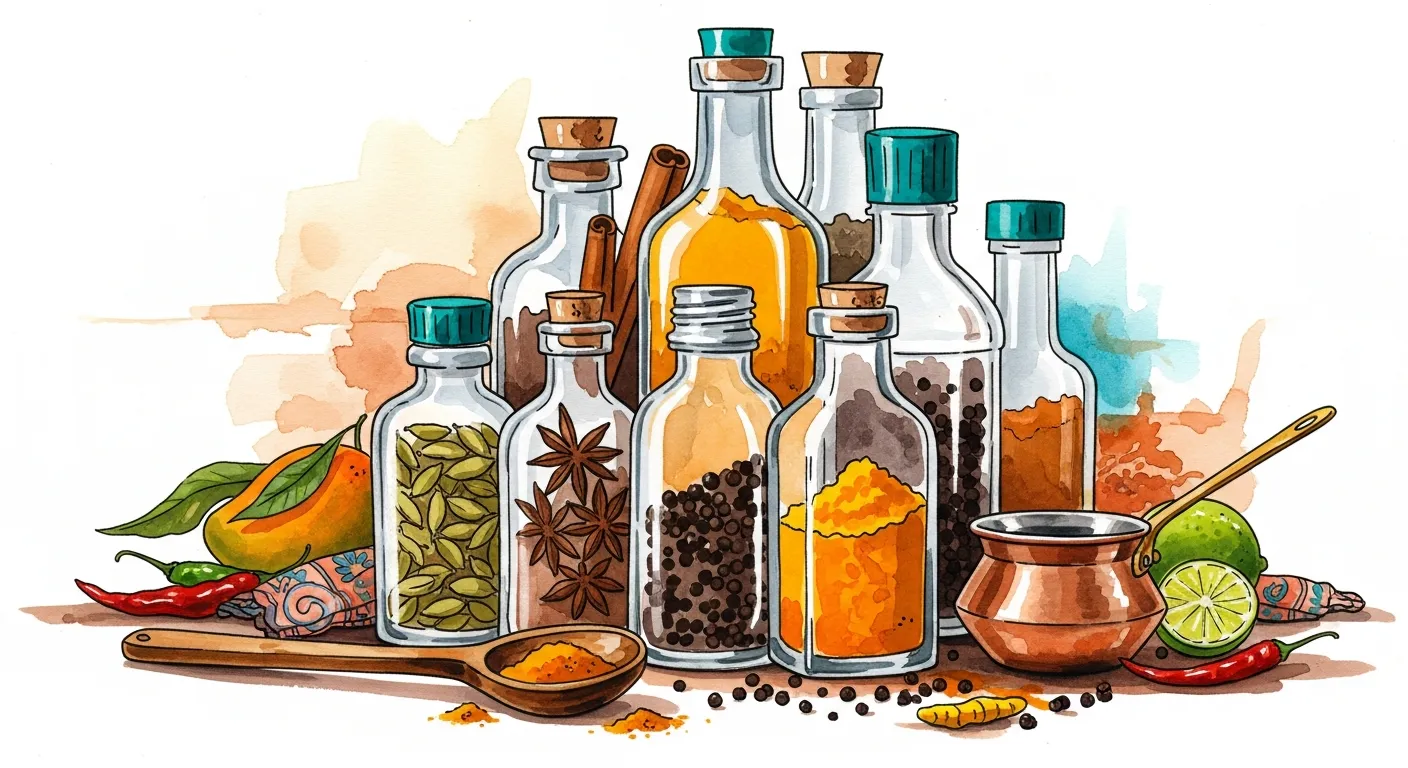
The Spice Bottle Outlived the Empire
In a 400-year-old village inside Mazagaon, the East Indians are arguing with their own kitchens. The bottle is winning. The hands are not.
7 min read25 May 2026
06
CultureColaba
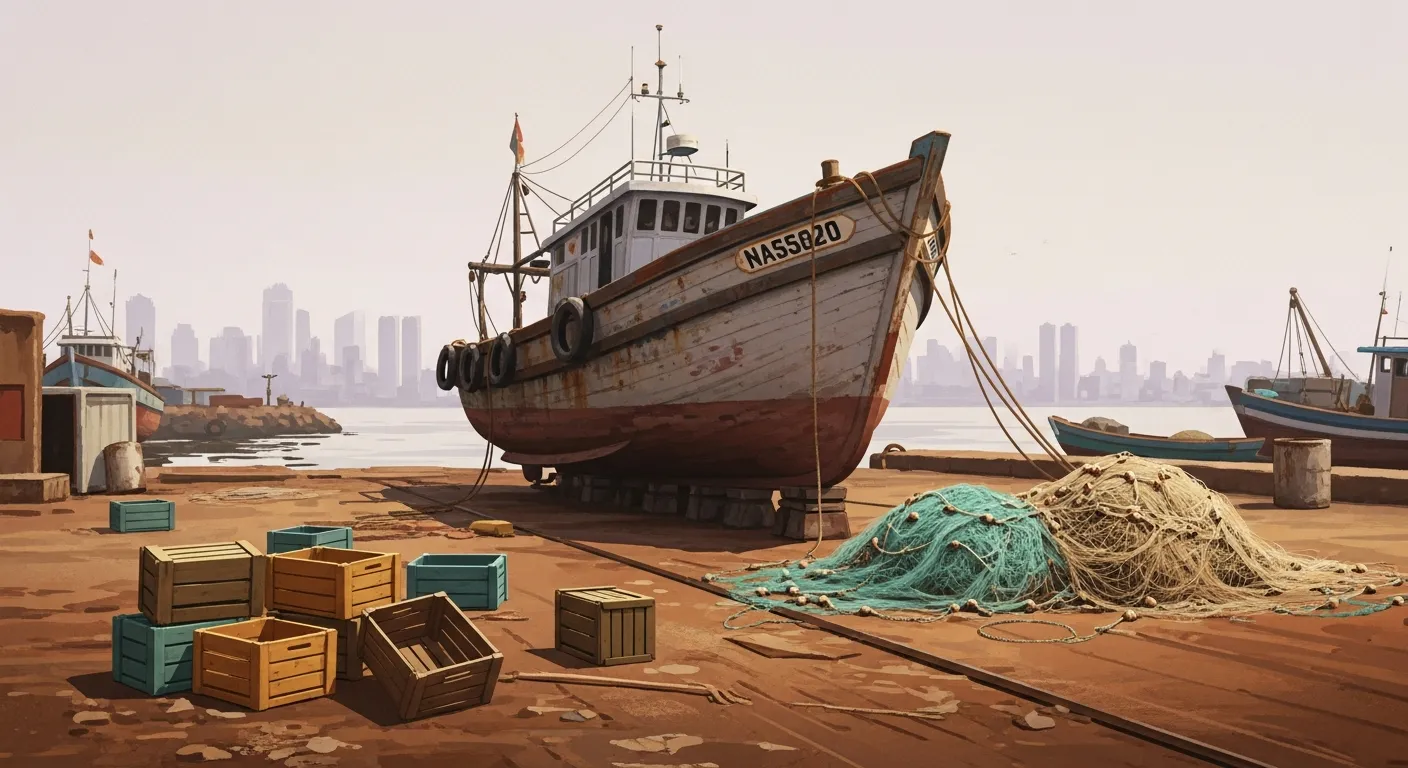
The Dock That Forgot How to Sell Fish
Sassoon Dock has been Mumbai's first stop for fish since 1875. The community that built it is now being asked to leave the room while the room gets renovated.
7 min read25 May 2026
07
CultureMatunga's King's Circle
The Circle That Refused to Become a Mall
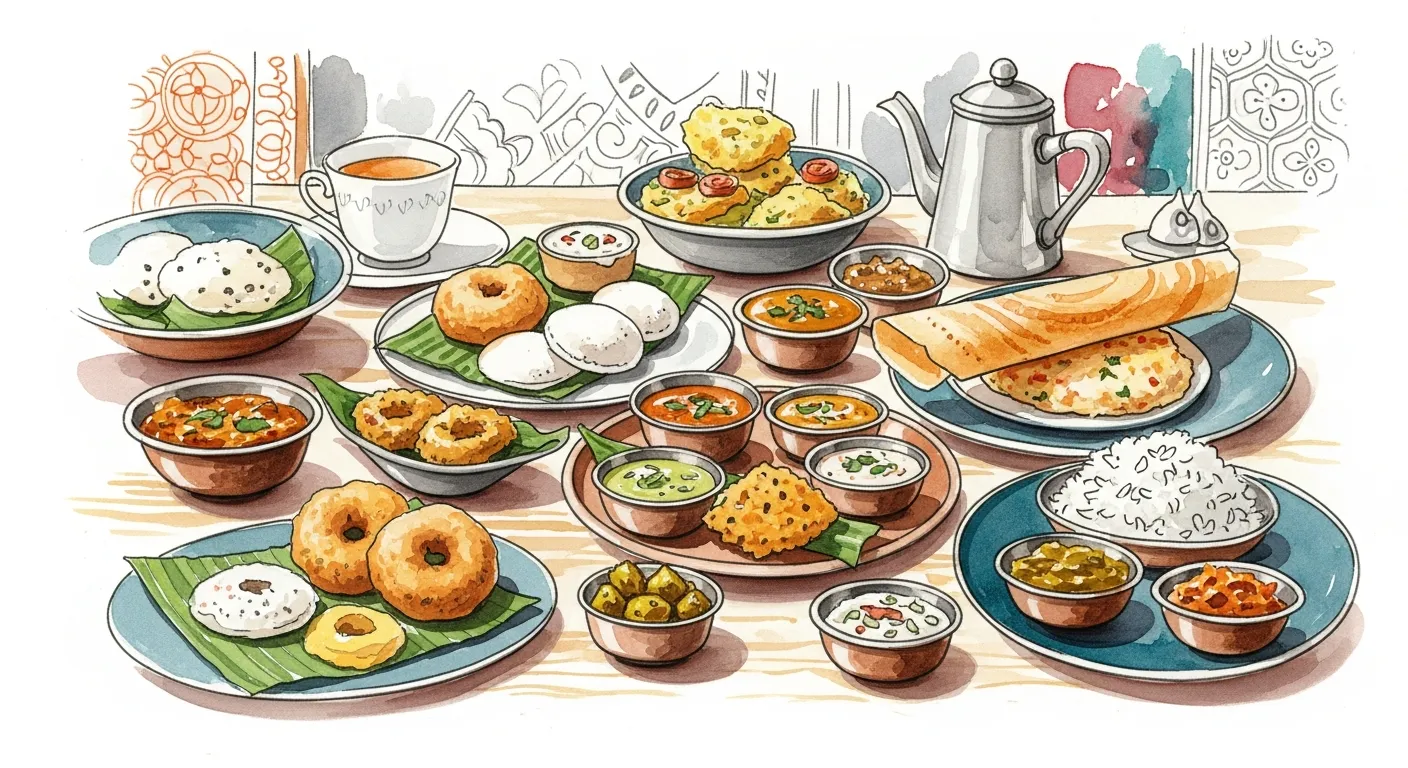
Matunga's Udupi houses have outlived three generations, two pandemics, and one cooking gas crisis. The fourth generation is the one nobody is sure about.
7 min read23 May 2026
08
CultureMumbai
The Word 'Punch' Came From Here. Mumbai Forgot. The World Didn't.
Five ingredients. One Hindi word. Four hundred years of cocktails that started on this coast and came back as something else.
7 min read22 May 2026
09
CultureFort
The Cafe That Got Its Name in Twenty-Four Hours
A British licensing officer made a joke in 1923. A hundred and two years later, the joke is still serving berry pulao.
8 min read21 May 2026
10
CultureBandra, Mahalaxmi, Versova, Lower Parel
The Permit Room That Forgot to Close
Bombay's bars were born from a prohibition that never quite ended. The cocktails are new. The thirst is older than the city.
7 min read20 May 2026
11
CultureBhendi Bazaar
The Bakery That Opens at Four
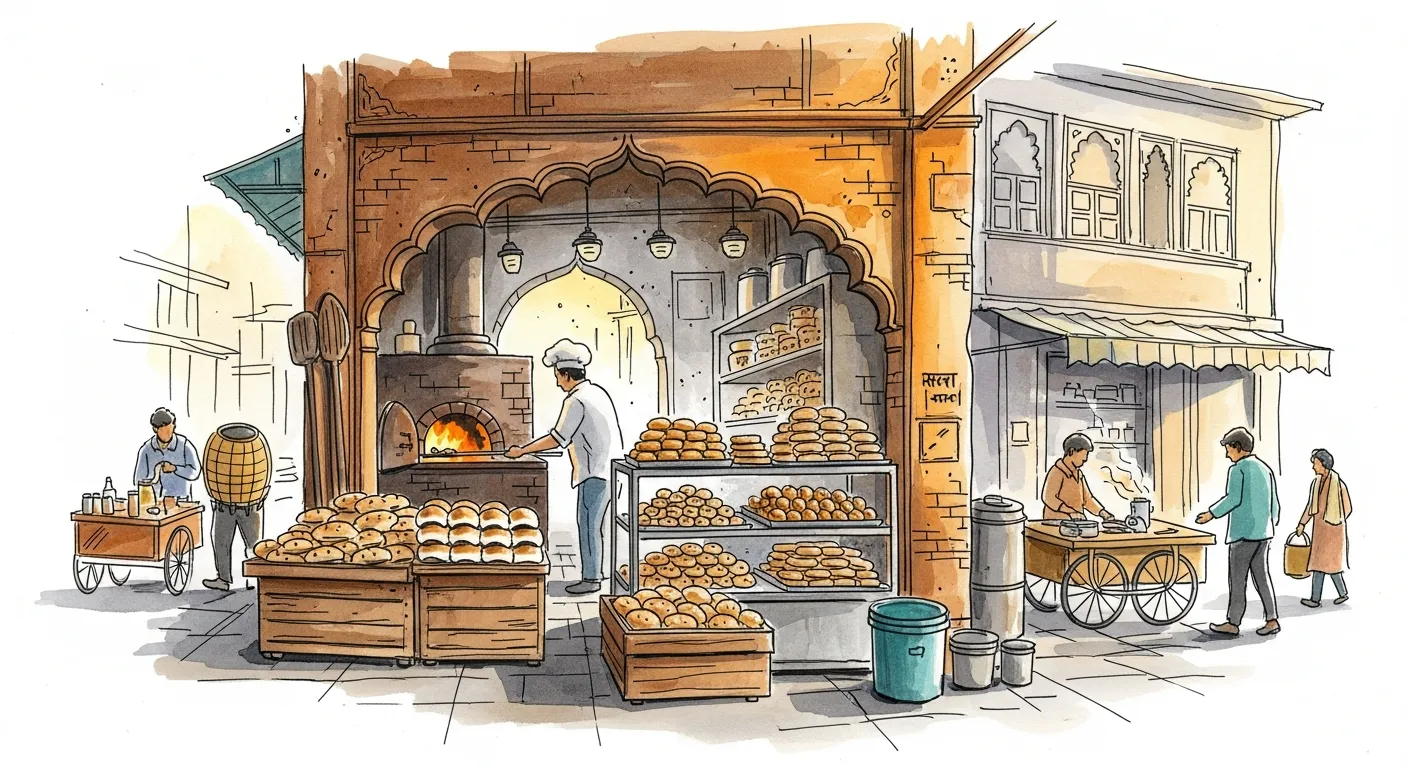
Bhendi Bazaar's Bohri bakers have outlasted plague, partition, and prohibition. The cement mixer might be different.
7 min read19 May 2026
12
CultureThane West
The Tiffin That Followed the Train
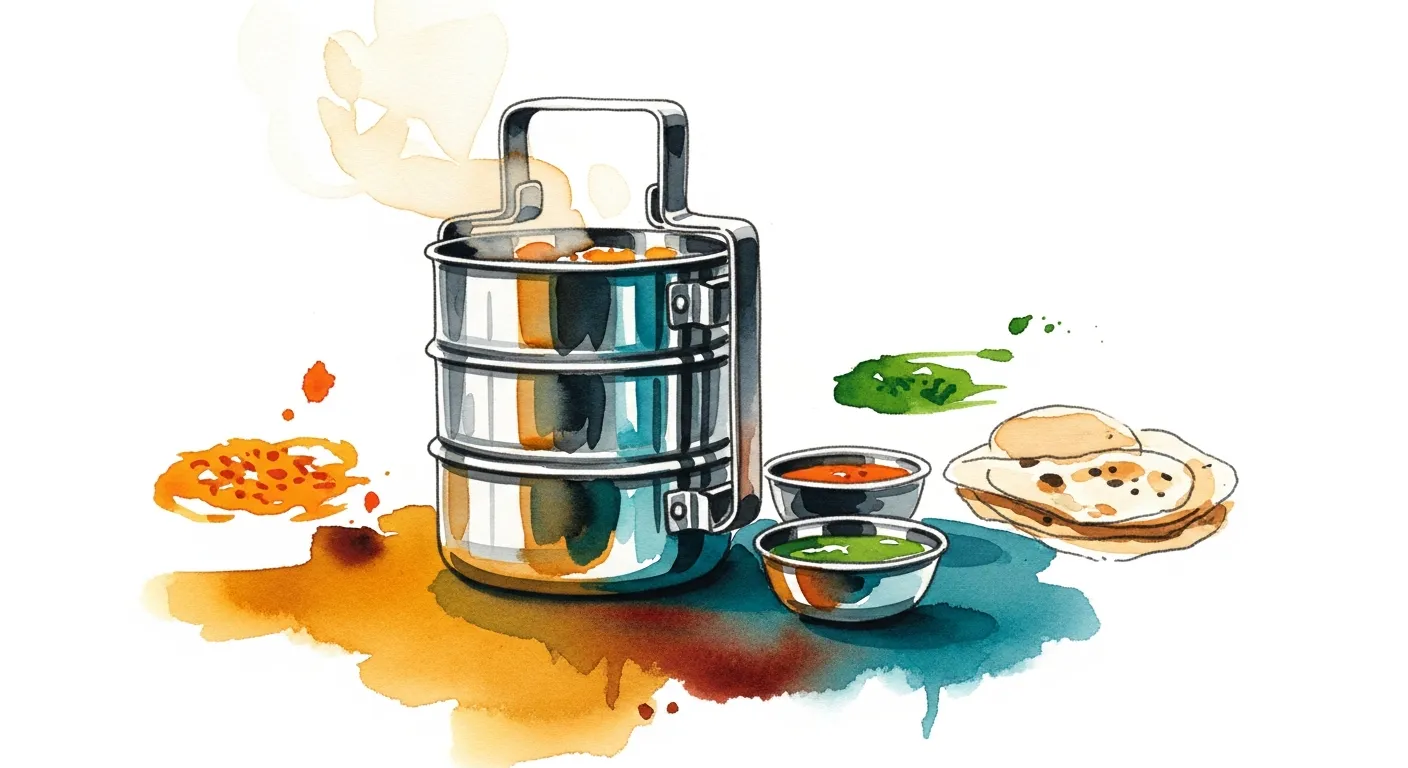
Thane West did not ask for Karnataka butter dosa. It asked for a one-bedroom flat near a tech park. The dosa came with the lease.
6 min read19 May 2026
13
CultureColaba
The License That Built Bombay's Night
A 1949 Prohibition Act that nobody really enforced. A lounge bar that opened the same year. A cafe that survived eleven bullets. And the small, stubborn rituals of drinking in a city that was never supposed to drink.
7 min read6 May 2026
14
CultureMatunga
The Dosa That Held the Line for Eighty Years
A coastal town in Karnataka. A famine in 1336. A property tax revision in 2025. And a sixty-rupee filter coffee in Matunga that is doing the work of three generations.
8 min read5 May 2026
15
CultureSion Koliwada
The Sardars of Sion and the Price of Charcoal
A neighbourhood built by Partition refugees in 1947. A tandoor that costs Rs 45,000. A bag of black wood that doubled in price. And a generation of sons who would rather work in a bank.
7 min read4 May 2026
16
CultureFort precinct
The Cafe That Cannot Afford Its Own Building
A 121-year-old chai stop in Fort. A property tax hike of 15 percent. A restoration quote of 2,200 rupees per square foot. And a bun maska that still costs less than a Metro ticket.
7 min read4 May 2026
17
CulturePrincess Street, Kalbadevi
The Dairy That Refused to Add Preservatives
A 108-year-old shop on Princess Street. A regulator finally counting milk vendors. And a kilo of mawa that costs what it costs because someone, somewhere, is still doing the arithmetic by hand.
8 min read2 May 2026
18
CultureColaba
The Bar Was Always There
A wholesale cooking oil store from 1871. A jukebox from 1950. A cocktail from 1933. Colaba's drinking identity is older than most countries.
7 min read29 Apr 2026
19
CultureMatunga
The Banana Leaf Is Holding the Line
Matunga's Udupi restaurants survived prohibition, partition, and Pizza Hut. The gas cylinder might be different.
7 min read27 Apr 2026
20
CultureDahisar East
The Radar Moved. The Chaat Followed.
Dahisar East is getting 50,000 new homes. The litti-chokha cart beat the construction crew to the plot.